
Browsing the journal

Life with Pets

Published posts in Life with Pets

English Cocker Spaniels: There Is More to the Day Than Floppy Ears
· 5 min read

The ears are magnificent. The expression is persuasive. Then an English Cocker Spaniel puts their nose down, and you discover that the day's agenda includes rather more than looking photogenic.

A good match depends on the routine you can offer: suitable activity, rewarding training, coat care and opportunities to rest. The attractive photograph is only the introduction.

Why a Cat's Tongue Feels Like Sandpaper: A Grooming Tool With Limits
· 5 min read

One affectionate lick and your hand has received an unexpectedly thorough polish. A cat's tongue feels rough because its surface carries specialised structures that help with ordinary feline jobs.

The texture is interesting engineering, but it does not make a cat self-maintaining. Coat condition, changes in grooming and mouth discomfort still deserve a human observer.

Why Do Dogs Bury Their Toys? The Sofa Has a Secret Storage Department
· 4 min read

You sit down and discover a toy under the cushion. The dog looks satisfied. Apparently the sofa has been approved as a storage facility, and nobody asked the humans.

Hiding toys can be an ordinary part of a dog's behaviour. The useful question is whether the dog is comfortable and safe, rather than whether the hiding spot meets your standards of secrecy.

Make Your Home Easier for a Senior Cat: Keep the Favourites, Improve the Route
· 5 min read

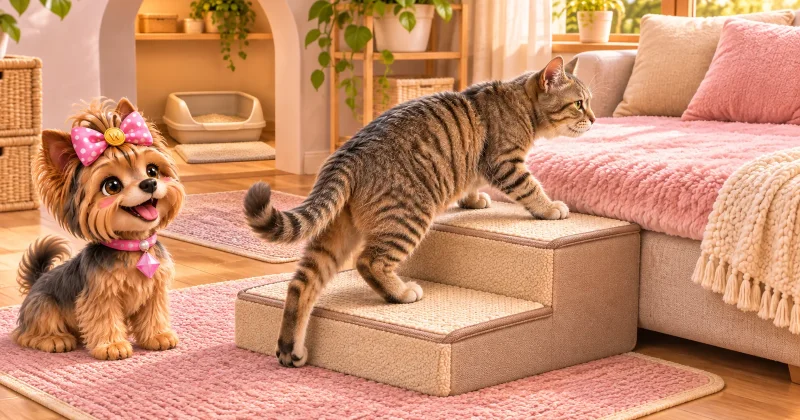
Your cat still wants the sunny spot on the sofa. Getting there may simply have become less comfortable than it used to be.

A senior-friendly home preserves familiar pleasures while making ordinary tasks easier. Start with the route to the favourite place, and pair practical changes with veterinary assessment of anything new.

Gerbils Need a Home They Can Dig: Think Below the Surface
· 4 min read

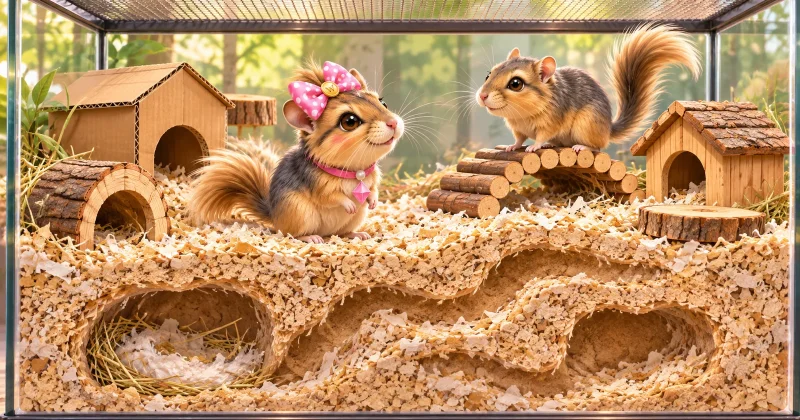
A gerbil's most ambitious home improvements happen where you cannot see them. The underground extension may be more important than the brightly coloured accessories upstairs.

A suitable habitat gives gerbils room to dig, build, forage and retreat. Start with what the animals need to do, rather than how many tunnels fit on the packaging photograph.

Why Your Cat Meows at Night: Check the Needs Before the Noise
· 4 min read

It is three in the morning, and the cat has scheduled a meeting. Before deciding the subject is definitely breakfast, consider what has changed and whether the cat needs help.

Night-time vocalising can relate to routine and activity, but new or increased meowing can also accompany discomfort or illness. Start with observation rather than a blanket instruction to ignore it.

The Pet-Care Budget Beyond the Food Bag: Plan for an Ordinary Year
· 5 min read

A food bag is easy to price. The dog sitter during a disrupted workweek, the replacement carrier and the unexpected consultation are less visible on adoption day.

A useful pet-care budget is a plan for the animal's real life, not a contest to find the smallest headline number. Start with your own household, local services and the individual pet's needs.

Living With a Shih Tzu: A Companion Dog Still Needs a Care Plan
· 5 min read

A Shih Tzu can look as though their main job is being lovely beside you. It is an important role, but the care behind the photograph includes grooming, comfortable movement and attention to health.

Small size and a companion-dog history do not make an individual dog maintenance-free. Before choosing one, picture the ordinary weekday as carefully as the first cuddle.

Guinea Pig Hay Stations That Work: Easy to Reach, Easy to Keep Fresh
· 4 min read

A beautifully tidy hay rack is not much use if a guinea pig cannot comfortably reach dinner. These animals spend a large part of life eating fibrous food, so easy access deserves more attention than perfect presentation.

Think of a hay station as a dependable feeding area, not a puzzle the animal must solve before they can eat.

Labradors and the Bottomless Appetite: A Food Plan Beats a Guilty Face
· 5 min read

The Labrador has eaten dinner and is now available for dinner. Their expression suggests a serious administrative failure. The kitchen records suggest otherwise.

Many Labradors are enthusiastic about food, but enthusiasm is not a measuring system. A practical feeding routine makes room for enjoyment without asking every household member to judge portion size from a persuasive face.

Walking Your Dog After Dark: Be Seen, Keep Space, Get Home Comfortably
· 4 min read

The clocks have changed, and the afternoon walk now looks like an evening expedition. Wendi is prepared to be the brightest personality on the pavement. It helps if drivers can actually see her too.

An after-dark walk needs more than a glowing accessory. Route choice, lead handling and enough space from other people and dogs all help make the outing manageable.

The Pet Sitter Handover: Write Down the Things You Do Automatically
· 5 min read

“She has breakfast as usual” is an excellent instruction for someone who already knows what usual means. For a pet sitter, it leaves several important mysteries: how much, which bowl, which food and what happens if she does not eat?

A good handover turns your automatic habits into clear information. Keep the essentials easy to find, then demonstrate the tasks that are difficult to explain in one sentence.

What Your Cat's Whiskers Actually Do (And Why Scissors Stay Away)
· 5 min read

Cat whiskers are excellent at making a face look distinguished. They are also working sensory tools, which is a better reason to leave them exactly where they are.

Those thicker hairs help a cat gather information about nearby surroundings. Understanding their role is useful; treating them as magical measuring tapes or an instant mood decoder is less helpful.

Why Do Dogs Shake Off When They Are Dry? Read the Moment Around It
· 4 min read

Your dog finishes a greeting, steps away and shakes from nose to tail. There was no bath, no puddle and no obvious need to dry anything.

A full-body “shake off” can appear around a change in activity or after a challenging interaction. It is a useful thing to notice, but it does not translate every time into one emotion or prove the dog is now comfortable.

A Multi-Cat Home With Room to Choose: Spread the Good Things Out
· 5 min read

Two cats can share an address without wanting to share every important thing inside it. Matching bowls side by side look lovely to people; to a worried cat, they may look like one dining area controlled by somebody else.

A more comfortable multi-cat home offers separate choices. Start with the floor plan and what each cat actually does during the day.

Your Rescue Dog's First Night: Plan for Comfort, Not Perfect Sleep
· 4 min read

The bed is ready, the bowls are washed and your new dog is home. Then evening arrives, and you realise the dog has no idea what “bedtime as usual” means in this house.

The first night is a transition, not a verdict on the adoption. Prepare for reassurance, toilet trips and learning about one another rather than expecting a flawless sleep routine immediately.

How to Read a Rescue Dog Profile Beyond the Cute Photograph
· 5 min read

The photograph is excellent. The dog has one ear up, a hopeful expression and an obvious talent for making your weekend plans seem unimportant.

Before applying, read the rest of the profile as a description of a future daily routine. You are not trying to pass an adoption exam. You are finding out whether your home can meet this dog's needs reliably.