
Living With a Shih Tzu: A Companion Dog Still Needs a Care Plan
5 min read
Category Life with Pets
A Shih Tzu can look as though their main job is being lovely beside you. It is an important role, but the care behind the photograph includes grooming, comfortable movement and attention to health.
Small size and a companion-dog history do not make an individual dog maintenance-free. Before choosing one, picture the ordinary weekday as carefully as the first cuddle.
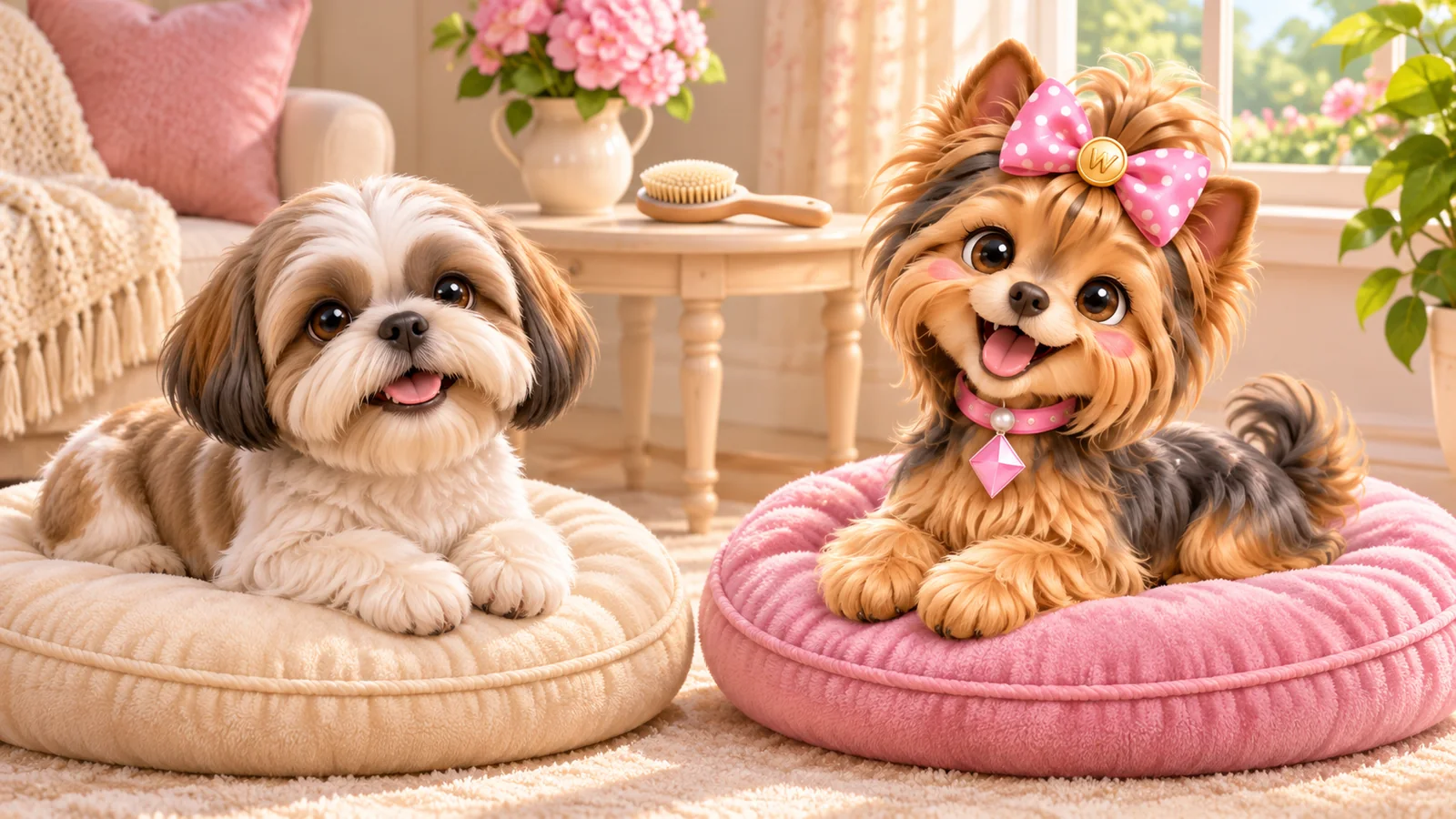
Table of Contents
Ask about the actual dog
A rescue or responsible breeder should help you understand temperament, handling experience, health history and daily needs. Ask what is known about time alone, grooming, visitors and life with other animals.
Look for comfortable movement and breathing rather than treating exaggerated features as the goal. Discuss inherited health screening and the individual dog's veterinary history. A breed description cannot promise that a puppy will develop a particular personality.
For comparing household fit, see how to read a rescue profile.
Plan for the coat you will maintain
Shih Tzu coats need regular appropriate grooming. A practical trim may make daily care easier, but short hair does not remove the need to check skin, tangles and sensitive areas.
Ask a competent groomer to show you tools and a realistic schedule for your dog's coat. Do short comfortable sessions instead of saving every tangle for one difficult appointment.
Do not cut tight mats close to skin with household scissors. Stop if handling seems painful and ask for professional help. Blue Cross grooming advice supports building a regular comfortable routine.
Take breathing and eye discomfort seriously
Shorter facial structure can be associated with airway problems. Noisy or difficult breathing, difficulty coping with exercise and overheating should not be dismissed as a cute breed trait.
PDSA's Shih Tzu guide discusses airway and eye conditions among the breed's possible health concerns. Ask your vet about the individual dog's needs and any symptoms.
Seek urgent advice for breathing difficulty, collapse or severe distress. A red, painful or newly closed eye also needs prompt veterinary attention. Avoid unprescribed eye products or cosmetic remedies that can delay proper treatment.
Give a small dog a full day
Provide suitable walks, gentle exploration, reward-based training and rest. Match activity to age and health, and avoid pushing through heat or obvious discomfort.
Let the dog walk and investigate where safe instead of assuming carrying is always preferable. Use well-fitting equipment and allow distance from overwhelming situations.
Wendi is happy to share small-dog status. She would like it understood that “small” is a size, not a complete exercise programme.
Teach comfortable company and independence
Introduce handling and new experiences gradually. Arrange care when the household is away longer than the dog can manage, and build alone time without leaving them distressed.
Children need active adult supervision and guidance about rest, gentle contact and letting the dog move away. Other pets need careful introductions and separate resources.
Make the commitment practical
Budget time for coat care and appointments, ask about ongoing conditions, and plan transport and support if your routine changes.
The best Shih Tzu home is not necessarily the one with the prettiest accessories. It is one that can keep the dog comfortable when the camera is put away.