
Where Your Dog's Bed Should Go: Quiet Does Not Have to Mean Isolated
4 min read
Category Life with Pets
You have found the neatest corner for the dog bed. Unfortunately, it is also beside the washing machine, under a draught and directly on the route to the back door.
A bed is useful only when the dog can rest comfortably in it. Before changing the mattress, look at the location and what happens around it throughout an ordinary day.
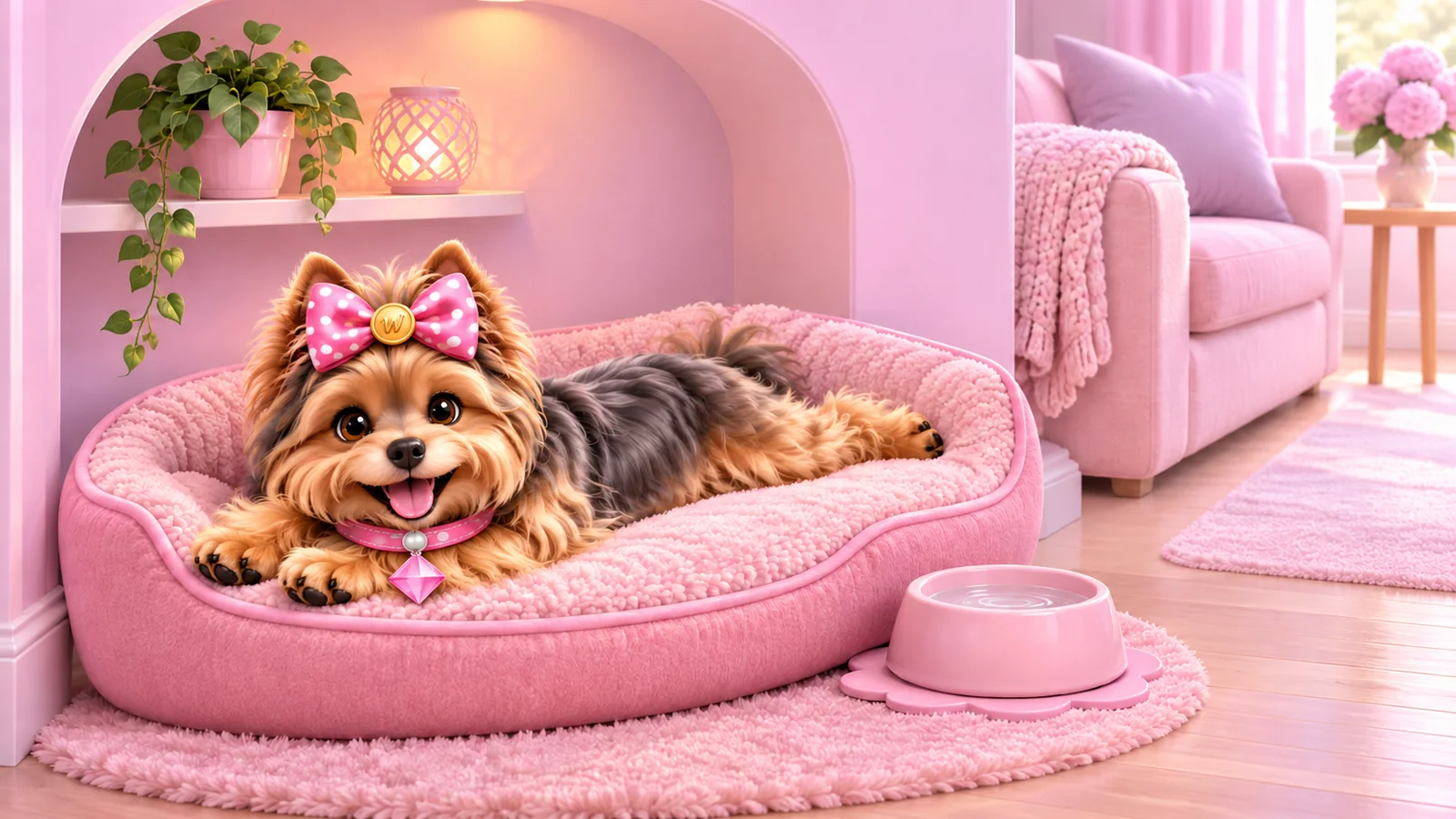
Table of Contents
Watch where your dog already rests
Notice the places they choose when nobody is directing them. Do they seek the family room, a cooler patch of floor or a quiet place behind a chair? Observe several times, including busy evenings.
Preference offers clues, not a diagnosis. A sudden change in sleeping position or location, difficulty settling or reluctance to lie down deserves veterinary advice, especially if movement seems painful.
Wendi's preference for somewhere near the action does not mean she wants the action walking over her.
Offer company and retreat
One comfortable resting place in a family room and another quiet option can give a dog useful choices. The quiet area should be familiar and accessible, not a place they only visit when sent away.
The RSPCA's dog-bed guidance suggests both undisturbed rest and opportunities to relax near family. Match the arrangement to your dog and space.
For dogs who struggle when separated, a remote bed is not treatment. Build comfortable independence gradually with appropriate support; our separation-anxiety guide explains why distress needs attention.
Check the route into the bed
Leave room to approach, turn and stretch without squeezing behind furniture. Avoid door swings, dangling cords, heaters and places where falling objects are a risk. Keep the floor around the bed secure underfoot.
Think about ageing and illness too. A dog who currently jumps onto a high sleeping place may later need an accessible alternative. Ask your vet about support and access if your dog has mobility problems.
Choose a bed that allows their normal sleeping positions rather than one that looks exactly the right size while they sit.
Protect rest with household rules
Children and visitors should leave a resting dog alone. Do not lean into the bed to cuddle, remove belongings or wake the dog by grabbing them. If you need them to move, invite them calmly from a distance where appropriate.
Give each animal their own suitable resting options. A photograph of pets sharing does not prove they want to share every night.
If a dog guards the bed or reacts when approached, manage access safely and consult your vet and a qualified reward-based behaviour professional. Do not repeatedly test or punish the warning.
Keep comfort easy to maintain
Use bedding you can clean and dry, inspect it for damage and keep water accessible without making the sleeping surface damp. Consider temperature throughout the day, including direct sun through a window.
Battersea's care basics also recommends a comfortable resting place away from draughts.
The best location may not win an interiors photograph. It should win the dog's repeated, relaxed decision to lie down there.