
The Pet Sitter Handover: Write Down the Things You Do Automatically
5 min read
Category Life with Pets
Tags dogs cats small-pets care
“She has breakfast as usual” is an excellent instruction for someone who already knows what usual means. For a pet sitter, it leaves several important mysteries: how much, which bowl, which food and what happens if she does not eat?
A good handover turns your automatic habits into clear information. Keep the essentials easy to find, then demonstrate the tasks that are difficult to explain in one sentence.
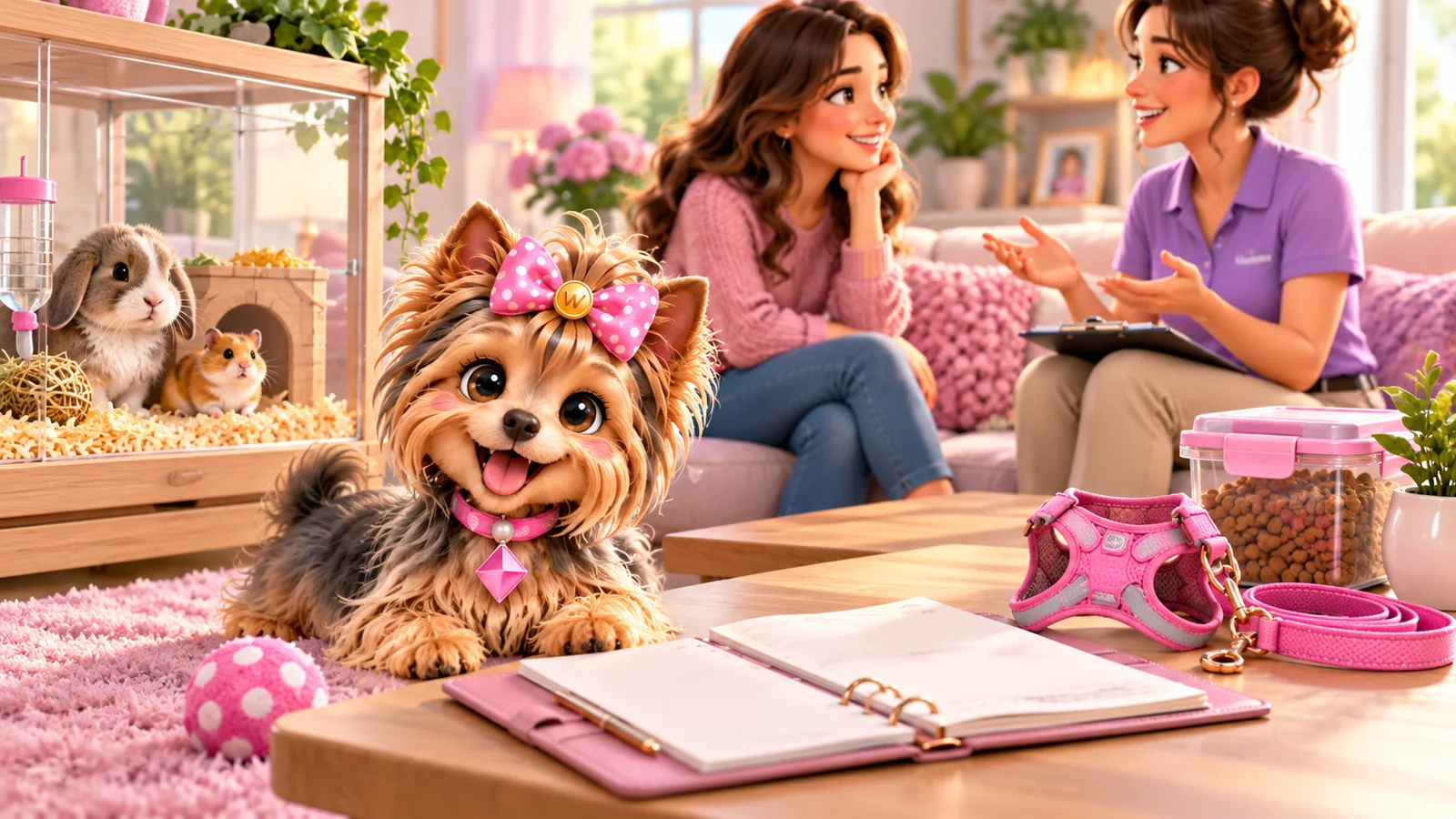
Table of Contents
Make the first page genuinely useful
List each pet's name, identifying details, your contact information, a backup person and the usual veterinary practice. Include out-of-hours veterinary arrangements and how the sitter should arrange transport if needed.
Discuss permission and payment arrangements for urgent care with the sitter and practice before leaving. Do not assume a voice message will reach you immediately while travelling.
Keep private access codes and household security details in a secure handover method rather than a public document.
Describe the ordinary day in observable terms
Write meal times, exact food and quantities, water locations, toilet arrangements, walks and rest. Show the measuring tool rather than leaving “one scoop” to interpretation.
For multiple animals, explain who eats where and how they are kept from taking each other's food. For rabbits, guinea pigs and other small pets, include species-specific checks and cleaning requirements rather than copying the dog's routine.
The RSPCA's pet-sitting checklist includes routines, food instructions, emergency contacts and familiar items.
Demonstrate equipment and boundaries
Show how the harness fits, which clip goes where and how doors and gates are managed. Walk a short version of the usual route together if practical. Explain any no-go areas, chasing risks, visitor rules and whether off-lead exercise is prohibited.
For a cat, show the carrier, litter trays and normal hiding spots. For small pets, show secure closures and how to prevent contact with dogs or cats.
Do not rely on “they are friendly”. Describe handling preferences and the situations where the animal needs space. Wendi's “friendly” still does not authorise a stranger to pick her up.
Make medication a separate, checked task
Leave written veterinary instructions, clearly labelled medication in its original packaging and an administration record. Demonstrate the prescribed method and check the sitter is comfortable and competent to do it.
Agree what to do after a missed dose, refusal or vomiting by getting instructions from the vet. Do not tell a sitter to double up or improvise. Arrange a suitably qualified carer if the treatment needs skills they do not have.
Explain what is normal—and when to call
Describe appetite, activity, toileting and known health issues. Then give clear escalation instructions: the sitter should contact the vet promptly for concerning changes, and urgently for breathing difficulty, collapse, suspected poisoning or inability to pass urine.
For rabbits and guinea pigs, not eating or reduced droppings needs urgent veterinary advice. A general note saying “sometimes quiet” must not hide illness.
Ask for useful updates such as meals eaten and medication given, rather than only cheerful photographs.
Do a small rehearsal
Have the sitter complete a feed, equipment check or short visit while you are available to answer questions. Update the notes wherever they had to guess.
You are aiming for an ordinary day that someone else can reproduce safely. Wendi will supply the personality; the handover should supply the details.