Browsing the journal

Life with Pets

Published posts in Life with Pets

A Better Water Station for Your Cat: Start With the Location
· 5 min read

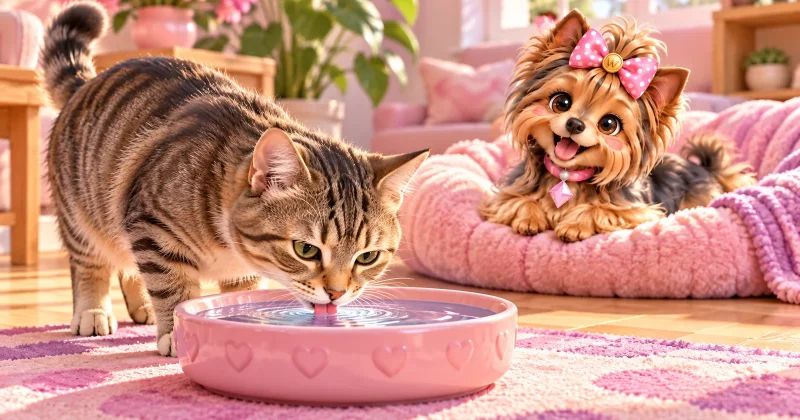
Your cat has rejected the carefully chosen bowl and is investigating your glass instead. Before buying a fountain with more features than the television, check the basics: access, placement and cleanliness.

A good water setup gives a cat easy choices. It should also make it easier for you to notice changes in drinking, rather than disguising a health problem as a preference.

Living With a Whippet: The Sofa Is Only Half the Story
· 5 min read

A whippet asleep under a blanket can make dog ownership look suspiciously restful. The missing photographs usually involve the outdoor part of the day, the secure fencing and a human who has learned not to underestimate a squirrel.

Whippets can be lovely companions, but choosing one means planning for both activity and recovery. Here is what to look beyond the elegant silhouette.

Guinea Pigs Need Guinea Pig Friends: Company Without the Guesswork
· 5 min read

A guinea pig who recognises the vegetable drawer can make you feel like a very important person. You are important—but you are not another guinea pig.

These social animals benefit from compatible companions of their own species. The practical challenge is not simply buying “a second one”. It is making a suitable match and giving both animals a home where company remains a choice rather than a competition.

Where to Put a Cat Scratching Post So It Actually Gets Used
· 5 min read

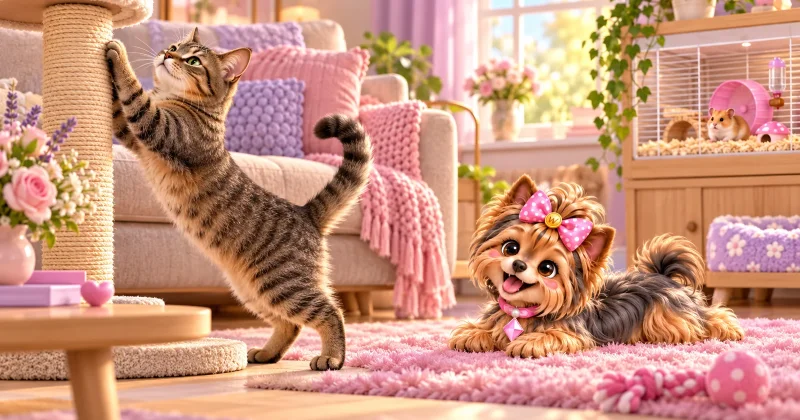
You bought a scratching post. Your cat inspected the box, accepted the sofa and has not looked back. Before deciding that the cat has expensive taste, look at where the post lives.

Scratching is normal cat behaviour. A useful setup gives that behaviour a good destination in the places the cat already uses, rather than asking them to make a special journey behind the spare-room door.

A Cosy Halloween for Pets: Less Dressing Up, More Peace and Quiet
· 4 min read

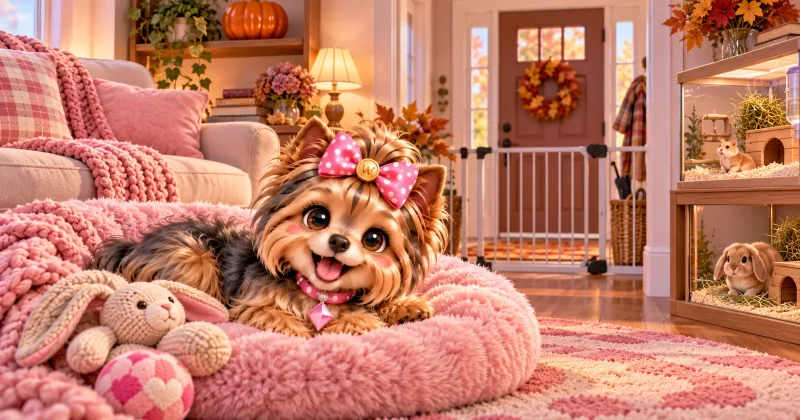
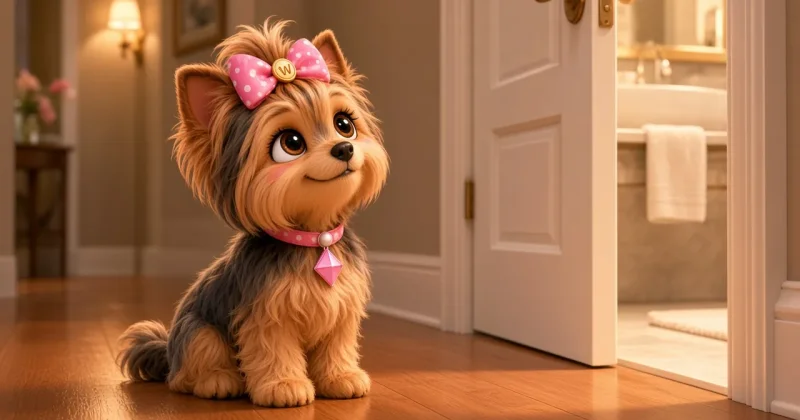
Wendi has a very convincing Halloween costume planned: a small dog enjoying an ordinary evening. The performance requires a comfortable bed and absolutely no hat.

Celebrating with pets does not have to mean putting them in the photographs. A good Halloween plan lets animals enjoy their normal comforts while people handle the costumes, callers and suspiciously large bowl of sweets.

Why Do Cats Slow Blink? A Quiet Hello, Not a Secret Password
· 5 min read

A cat looks at you, softly closes their eyes, and opens them again. It is a tiny interaction, but one you can easily miss while waiting for a louder declaration of affection.

Slow blinking can be part of relaxed, friendly communication. It is an invitation to pay attention to the whole cat, though—not a guarantee that they want to be picked up. Wendi, who prefers a full welcome committee, is learning to appreciate the quieter approach.

Can Greyhounds Live in Flats? Look Beyond the Sofa Reputation
· 4 min read

A greyhound folded onto a bed can look like a convincing argument for apartment living. Then they stand up, unfold all those legs, and remind you to check the floor plan.

Some greyhounds can thrive in a flat, but a reputation for lounging is not a housing assessment. The question is whether you can meet this particular dog's needs throughout an ordinary week, including the inconvenient bits.

Yorkie and Baby: How to Set Up a Calm Home
· 6 min read

Welcoming a baby into a home with a Yorkie is exciting, but it is also a big change for the dog. Even a very social Yorkie may need time to adjust to new sounds, routines, and a household that suddenly feels noisier, busier, and far less predictable.

Start with practical safeguards: keep the dog’s routines steady, give both dog and baby protected spaces, and never leave them alone together. Being in the same room while distracted is not active supervision; use secure physical separation whenever your attention is elsewhere.

How to Teach Kids to Greet a Yorkie Safely
· 7 min read

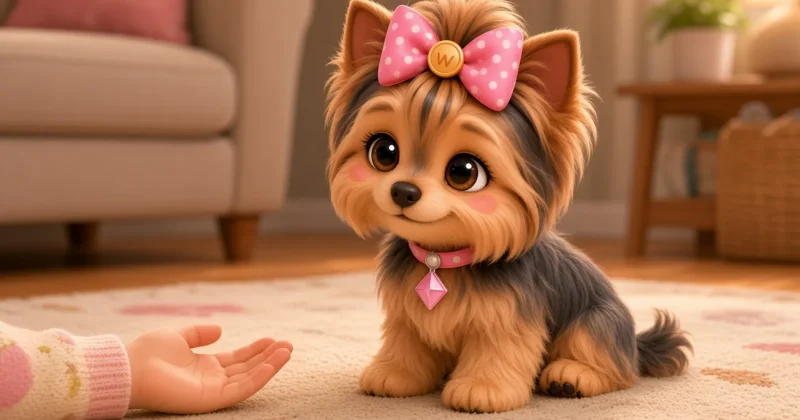
A Yorkie is tiny, but they are not a toy, and they are not a dog who should be greeted like a stuffed animal. The safest dog-child interactions are calm, predictable, and guided by adults. If children learn a few simple rules early, the dog is far less likely to feel trapped, overwhelmed, or cornered.

The goal is not to make the dog “like kids.” The goal is to help children understand that dogs need consent, space, and a chance to opt out.

How to Introduce a New Dog to Your Resident Dog (Without the Drama)
· 10 min read

The first five minutes between two dogs don't decide whether they'll be friends, but they do set the tone. A calm, planned introduction gives both dogs the best chance of settling in. A rushed one, with both dogs on a cramped doorstep and a hopeful owner saying "they'll work it out," is how a lot of lasting grudges begin.

This guide walks through the whole process: preparing your home, the first meeting, the first weeks, and the signs that mean you should ask for professional help.

Are Yorkies Good With Kids?
· 7 min read

Yorkies can be lovely family pets, but the answer is rarely as simple as “yes” or “no.” In the right home, a Yorkie can be affectionate, playful, and deeply bonded to the people around them. In the wrong setup, their small size, sensitive nature, and need for calm can make life feel stressful for both the dog and the child.

The key is not whether Yorkies are “good with kids” in general, but whether the individual dog, the child, and the adults in the home are set up for success. Gentle handling, adult supervision, and a place for the dog to retreat are essential.

Do Dogs Dream?
· 5 min read

Yes. Dogs sleep in cycles, including a REM stage that looks a lot like ours: the eyes move, the body goes slack, and the brain is busy. The tiny woof, the running legs, and the face that is chasing something in a room you cannot see are the usual evidence.

You do not need to know the plot. You do need to know when the twitching is sleep and when it is not.

Why Do Dogs Zoom Around the House?
· 8 min read

The evening was quiet. Then the dog became a comet. Sofa, hall, sofa, a skid on the rug, and a look of pure private success. Owners call them zoomies. Behaviour people call them frenetic random activity periods, which is accurate and much less fun to say at the park.

Most zoomies are a dog spending energy she did not use earlier. A few are a dog who cannot stop, and those are the ones worth taking seriously.

Why Do Cats Chatter at Birds?
· 7 min read

The bird is on the feeder. The cat is on the windowsill, jaw working, making a sound that is not a meow and not a purr. It is a rapid clicking sound accompanied by excitement, and she will do it again the moment a pigeon has the nerve to land.

Chattering is hunting with the ending removed. The glass, or the decision that she lives indoors, took the pounce away and left the mouth.

Beagles: A Nose With a Dog Attached
· 7 min read

A Beagle looks like the dog on a greeting card: long ears, sad-happy eyes, a size that fits in a car. Under the card is a hound bred to follow a scent for miles and to tell the hunter, loudly, when the scent is worth following. People meet the face. The nose, the bay, and the open gate arrive later.

They are affectionate, sturdy, and funny. They are a poor choice if the plan was a dog who comes back when called and keeps his thoughts to himself.

Why Do Dogs Follow You to the Bathroom?
· 8 min read

The door was almost shut. Then a nose arrived, then a whole dog, then a sigh, as if the two of you had an appointment. You did not. She did. Bathroom company is one of the most reliable habits in a dog house, and it is rarely about the bathroom.

She is following the person. The smallest room in the house is just where you finally stopped moving.

Border Collies Will Invent a Job If You Do Not Give Them One
· 7 min read

A Border Collie watches the room the way other dogs watch a biscuit. The stare is the work. She was bred to move sheep with her eyes and her feet, for hours, in partnership with a person. In a house with no sheep she will promote the children, the cat, the cyclists, and the hoover to the vacancy.

People adopt them because they are clever. Clever, with nothing to do, is not a parlour trick. It is a dog who rearranges the day until it contains a task.

Why Do Cats Sleep So Much?
· 7 min read

The cat has been asleep since the morning, except for the hour she spent explaining breakfast. By human standards she is barely employed. By cat standards she is on schedule. Most cats sleep somewhere between twelve and sixteen hours a day, and some push past that without being ill.

The useful question is not "why is she asleep." It is whether this is her asleep, or a new asleep that arrived with other changes.

Why Do Dogs Kick After They Wee?
· 8 min read

She has finished. Then, with great ceremony, she kicks the grass backwards as if the lawn had insulted her. Clods fly. The lead tangles. A nearby person who thought the walk was over is now wearing turf.

The kick is not burial, and it is not a verdict on your gardening. It is a second message, sent with the feet, after the first message was sent with the wee.

Poodles: The Haircut Is the Easy Part
· 7 min read

A Poodle is advertised as the clever, elegant, low-shedding answer. The advertisement is half true. They are clever. The coat does not carpet a house the way a Golden's does. Someone still has to cut it, brush it, and stop it becoming a felted opinion, and the dog inside the haircut still needs a job.

The haircut is a bill you can see. The brains are the bill that surprises people in March.