
Why Do Dogs Bury Their Toys? The Sofa Has a Secret Storage Department
4 min read
Category Life with Pets
You sit down and discover a toy under the cushion. The dog looks satisfied. Apparently the sofa has been approved as a storage facility, and nobody asked the humans.
Hiding toys can be an ordinary part of a dog's behaviour. The useful question is whether the dog is comfortable and safe, rather than whether the hiding spot meets your standards of secrecy.
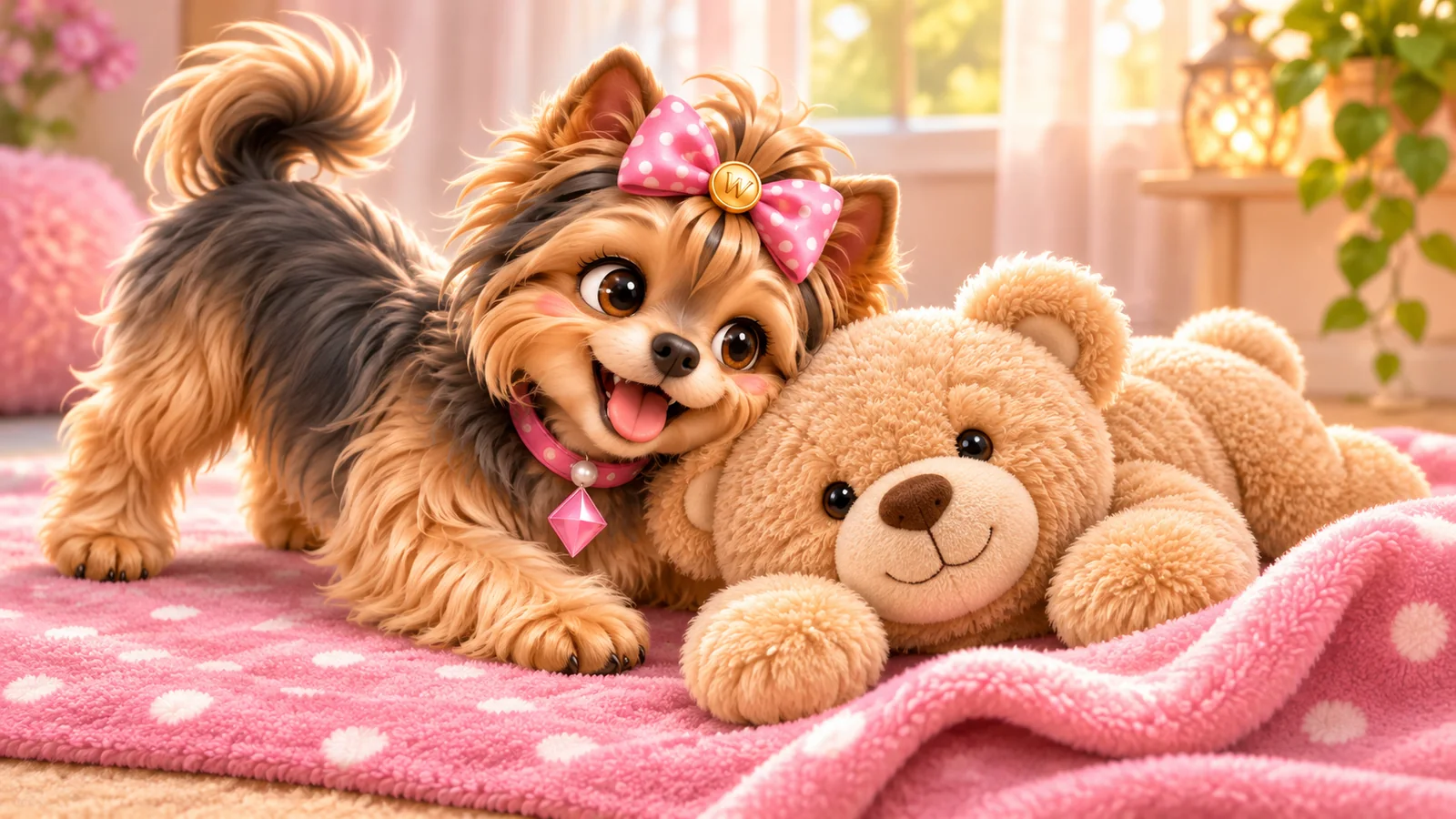
Table of Contents
More than one explanation can fit
Some dogs tuck away valued possessions; some seem to enjoy moving, digging and arranging them. A household with competition over resources can create a different context from a relaxed dog nudging one toy under a blanket.
The Royal Kennel Club's explanation of burying behaviour includes hiding toys as well as food. It does not let you read an individual dog's motive from one video.
Watch what happens before and after. Does the dog relax, return to play or remain tense and watchful? Is it one occasional ritual or an activity that is becoming difficult to interrupt?
Offer a safe place for harmless organising
If the dog enjoys hiding an appropriate toy in a blanket, choose a safe washable area where the activity is welcome. Check that they are not swallowing fabric, digging into electrical furniture or injuring their nose and paws.
Use toys suited to the dog's size and chewing style. Inspect them for detached pieces and damaged seams. A large soft toy may be suitable for a supervised game but not safe unattended for a dog who tears and swallows stuffing.
Our toy rotation guide helps you work with what the dog actually enjoys.
Avoid turning discovery into a chase
If your dog hides a household item, stay calm and use a well-practised trade where it is safe to do so. Secure belongings and rubbish so there are fewer opportunities to rehearse stealing and stashing.
Do not grab the mouth, corner the dog or repeatedly raid the hiding place to make a point. The drop-it guide explains exchanges with safe practice objects.
Wendi considers the blanket vault highly confidential. You can respect the activity while still keeping batteries and socks out of circulation.
Take guarding seriously
Freezing over an item, hovering, growling or snapping needs safe management and individual support. Keep children and other animals away rather than asking them to prove the dog is friendly.
Consult your vet about possible pain or health factors and seek a qualified reward-based behaviour professional. Punishing a warning can increase risk without making the dog feel safer.
Provide separate resting and feeding choices in multi-dog homes. A toy basket shared by everyone does not guarantee comfortable access.
Keep food safety separate
Do not encourage storing perishable food in bedding, and avoid unsafe chews or bones as props for a hiding game. If something dangerous may have been swallowed, contact your vet promptly and do not induce vomiting without instructions.
Sudden repetitive digging, injury, distress, reduced appetite or another change deserves a health check. “Dogs do this” is not a reason to ignore a new problem.
A comfortable little toy-stashing routine may need no correction at all. Your main responsibility is knowing which department holds the television remote.