
Why Do Dogs Follow You to the Bathroom?
Category Life with Pets
Tag dogs
The door was almost shut. Then a nose arrived, then a whole dog, then a sigh, as if the two of you had an appointment. You did not. She did. Bathroom company is one of the most reliable habits in a dog house, and it is rarely about the bathroom.
She is following the person. The smallest room in the house is just where you finally stopped moving.
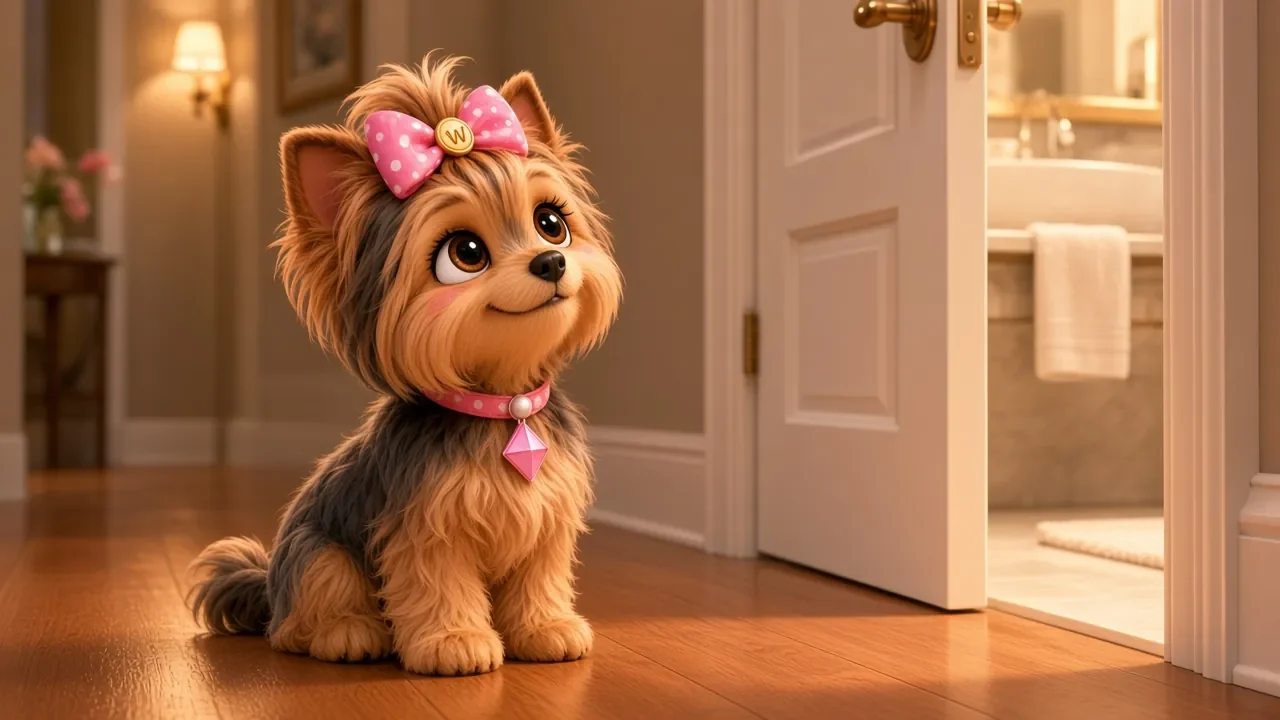
Table of Contents
You Are the Interesting Weather
Dogs are social in a practical way. The good things happen near you: food, walks, the voice that means her name, the lap. A closed door is a gap in that weather. Following you in is how she keeps the gap from opening. Toilets, showers, and the grim minute with the toothbrush all qualify, because you are in them.
It is not dominance, and it is not a plot to remove your privacy. A dog who leans on your calf while you brush your teeth is doing the same job as a dog who sleeps in the doorway of the office. She is keeping the pack in one room. The room happens to have a lock you are not using.
Puppies do it more, because you are the entire map. Adults do it out of habit long after the map has other rooms. A sigh at the threshold is often contentment, not a complaint. Why dogs sigh is the longer version of that noise. Read the body before you decide she is suffering. A loose lean is company. A pace and a whine is a dog who has learned that doors predict abandonment.
What She Gets Out of It
You Come Back
Every time you vanish into a room and reappear, the following strategy is paid. She does not need a biscuit. Your return is the biscuit. If you also talk to her, the bathroom becomes a social event with plumbing.
The Room Smells Like the Household
Bathrooms are a weather report of everyone who lives there. A dog's interest in that is not a comment on your manners. It is a nose doing inventory. You can shut the lid and still be loved. You do not have to narrate it.
Nothing Else Is Happening
A dog with a stuffed toy, a chew, and a view of you is less glued to your heel. A dog whose only programme is your movement will attend every episode, including the ones you would rather do alone. This is the same engine as separation trouble, at a smaller scale. Time alone starts with minutes and a door, not with a full work day and a hope.
If You Want the Door Shut
You can have a private minute. Teach it as a skill, not as a betrayal.
- Put her on a mat just outside, with a chew that only appears for this.
- Shut the door for a few seconds while she is busy. Open it before she complains.
- Lengthen the seconds across days, not in one heroic afternoon.
- Skip the guilty conversation through the door. A calm return teaches more than an apology.
A baby gate works for people who want company in the hallway and not a spectator. A dog who scratches and screams the moment the latch clicks is not being rude. She is saying the alone-training never happened. Start at three seconds. Grabbing her collar and dragging her out teaches her that bathrooms are where people become unpredictable.
Body language tells you whether the follow is fond or fretful. Soft eyes and a sit are fond. A tucked tail, panting, and a refusal to take the chew are fretful. The second dog needs the mat practice. The first dog needs you to accept that you live with a shadow, or to practise anyway because you would like one room.
When Following Is a Health Clue
A new, intense shadow, especially in a senior, can travel with confusion, accidents, or night pacing. That is worth a vet, not only a gate. So is a dog who follows you and then drinks the bathwater, vomits, or seems off her food. The bathroom is not the illness. It is where you noticed she would not leave you.
Some dogs follow because the cat is in the corridor and the bathroom is the only neutral country. That is a household map problem. Give the cat a route that does not depend on you shutting a door on the dog's face.
Frequently Asked Questions
Is it bad to let her in?
No. Plenty of dogs live their whole lives as bathroom consultants and come to no harm. Privacy is your preference, not a training emergency.
Why does she stare?
Because you are doing a sequence she cannot join, and staring is how she stays in it. A head tilt is the same attention with better public relations.
Will a second dog fix it?
Sometimes they follow each other and forget you. Sometimes you have two consultants. Get the first dog able to sit outside the door before you add a colleague.
Disclaimer: This article is general information, not veterinary advice. A sudden change in how closely a dog follows you, with confusion, accidents, or distress when you leave the room, should be checked by a vet.