
Fun Facts: Yorkshire Terrier
4 min read
Category Life with Pets
For a breed that now spends most of its time on sofas, the Yorkshire Terrier has a surprisingly industrial past and a few genuine world records to its name. Here are fifteen facts worth knowing about us.
Table of Contents
The Origin Story
-
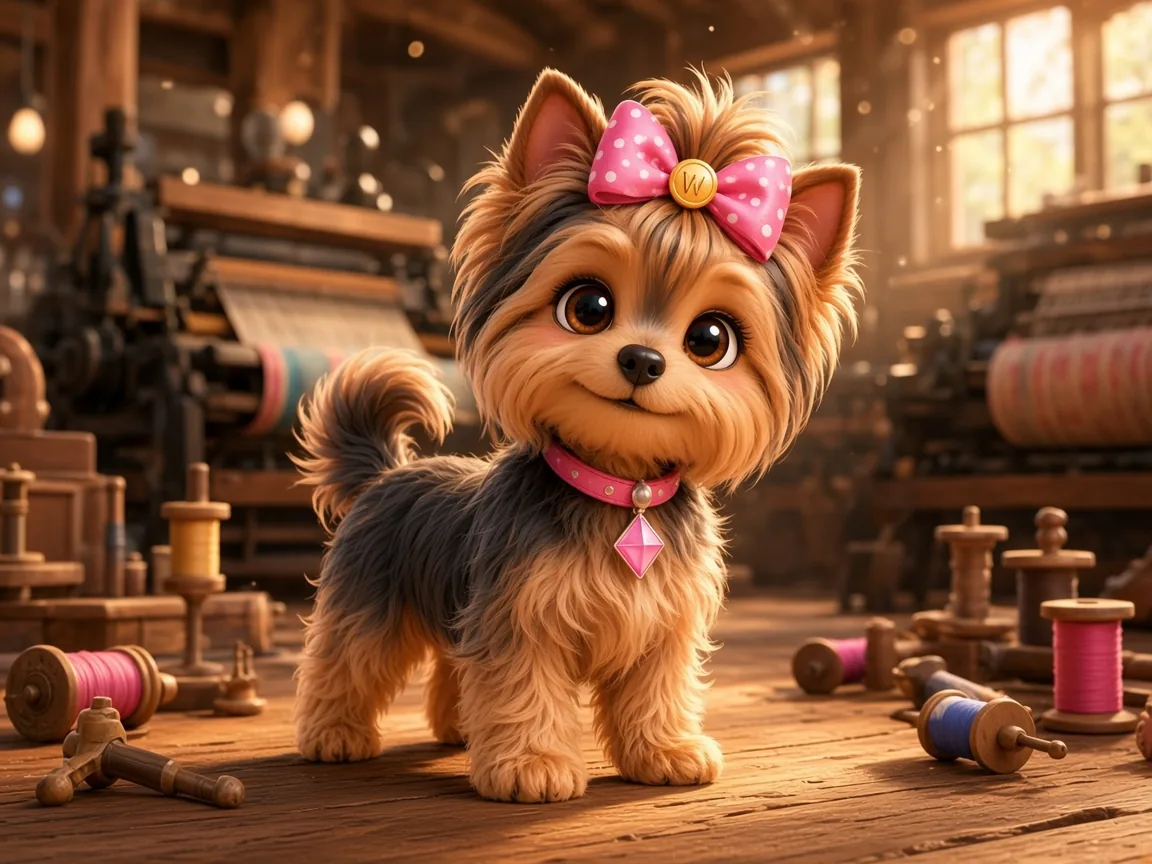
The Yorkshire Terrier was developed in Yorkshire, England in the 19th century to hunt rats and other vermin in textile mills and mines.
-
The breed traces back to small terriers brought south by Scottish weavers who came to work in the Yorkshire mills.
-
The breed was given its current name in 1870. The American Kennel Club recognised it in 1885, and the Kennel Club in England followed in 1886.
-
It took roughly one generation for the Yorkie to go from working ratter to fashionable Victorian companion — and we have stayed in the second job ever since.
Size and Looks
-
The Yorkshire Terrier is one of the smallest recognised breeds, standing about 7 to 8 inches tall, with a breed standard calling for a weight of no more than around 7 pounds.
-
The smallest dog ever recorded was a Yorkshire Terrier. Sylvia, owned by Arthur Marples of Blackburn, stood 2.5 inches tall and weighed 4 ounces.
-
Yorkie puppies are born black and tan. The coat gradually breaks to its mature blue and gold over the first one to two years, so puppies and adults look like quite different dogs.

-
Yorkies have a fine, single-layer coat with a long growth phase. Regular grooming and trimming help keep it manageable; their hair still has a growth and shedding cycle.
-
Because of that, Yorkies shed very little. It is worth being precise here though: low-shedding is not the same as hypoallergenic. No dog is truly hypoallergenic, because the allergens that affect people come from dander and saliva proteins rather than the hair itself. Yorkies are simply often better tolerated. Do Yorkies shed explains the distinction properly.
-
They require daily brushing and occasional trims to keep the coat in good condition. How to groom a Yorkie at home walks through the routine.
Personality and Popularity
-
The breed is known for its intelligence and loyalty, and makes a genuinely effective watchdog — a Yorkie will announce absolutely everything.
-
Yorkies are lively, alert and brave, often to a degree that is out of all proportion to their size. The terrier is still very much in there.
-
The Yorkshire Terrier has been a long-standing fixture in the top twenty most popular breeds in the United States, and rose as high as second place in American Kennel Club registrations in the mid-2000s.
-
A Yorkie named Smoky served alongside American troops in the Pacific during the Second World War, surviving combat conditions and later becoming one of the first documented therapy dogs.
-
Yorkies typically live 11 to 15 years, with plenty reaching 16 — one of the longer lifespans you will find in any breed.
Want More?
If you are new to the breed, about Yorkshire Terriers is the fuller introduction, and what activities do Yorkies like covers what to actually do with all that energy.
And for something entirely unscientific, horoscopes for dogs assigns a personality to all twelve star signs.
Disclaimer: This article is for informational purposes only and does not replace professional veterinary advice. Breed statistics and standards vary slightly between kennel clubs.