
Do Yorkies Shed? What Allergy Sufferers Need to Know
9 min read
Category Health & Care
Yorkshire Terriers shed very little, and that's genuinely unusual among dogs. Their fine, single-layer coat has a growth cycle that allows long hair and tends to produce less noticeable shedding. “Hair” and “fur” describe the same type of structure; the growth cycle is the useful distinction.
What that does not mean is that Yorkies are hypoallergenic. No dog is, and the distinction matters a great deal if someone in your home has allergies.

Table of Contents
Hair vs Fur: Why It Matters
Most dogs have a double coat — a coarse outer layer and a soft insulating undercoat — which grows to a genetically fixed length and is then shed, heavily in spring and autumn.
Yorkies have a single-layer coat of fine hair with a long growth cycle. Because each strand stays in its growing phase far longer, individual hairs are released gradually and in much smaller numbers. The absence of an undercoat removes the seasonal blow-out entirely.
The practical consequences are mostly good, with one catch:
- Very little hair on furniture, clothing and carpets
- No seasonal shedding season to dread
- Hair that keeps growing, which means regular haircuts are required
- A coat that mats rather than sheds if it isn't brushed
So How Much Do They Actually Shed?
A small, steady trickle. You'll find the occasional strand, mostly on her bed or in the brush, and realistically you'll see more hair during brushing than anywhere else in the house.
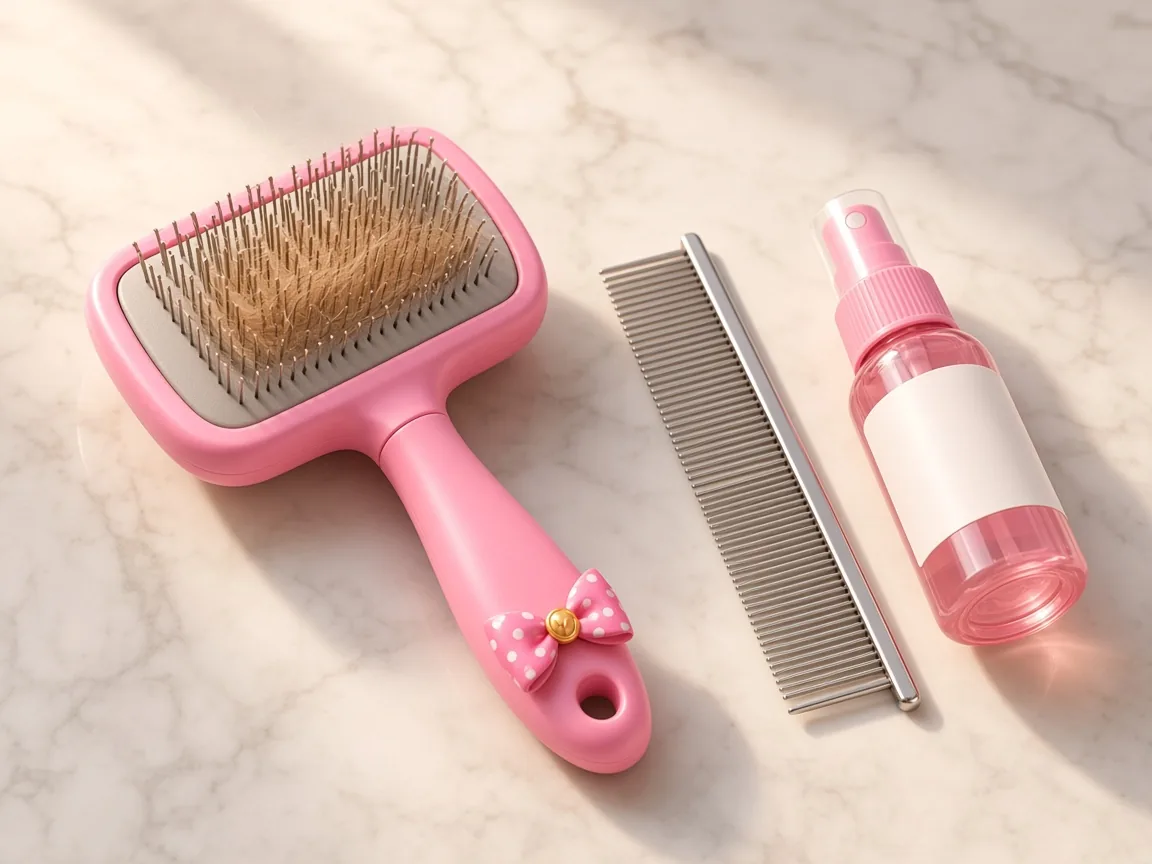
Expect slightly more loss in a few specific situations: during the puppy-to-adult coat change at around six to twelve months, after a female dog has a litter, during illness or significant stress, and with poor nutrition or skin problems.
A genuinely noticeable increase in shedding is worth investigating rather than accepting. Fleas, mites, allergies, thyroid problems and poor diet all cause hair loss, and in a low-shedding breed any obvious change stands out early — which is actually useful.
Yorkies and Allergies
This is the part that gets oversimplified in breed listings. Yorkies are frequently described as hypoallergenic, and that isn't accurate.
Dog allergies are overwhelmingly caused by proteins in dander (shed skin cells), saliva and urine, not by hair itself. Hair matters only as a vehicle: it carries dander around your home. Low shedding does not reliably predict a lower allergen level. Yorkies still produce allergens and can trigger a reaction.
If allergies affect your decision, speak to a clinician or allergy specialist before arranging contact with a dog, especially if asthma or severe reactions are involved. A short visit without symptoms does not guarantee that living together will be safe.
Practical steps that reduce allergen load:
- Bathe her every two to three weeks, which measurably lowers surface dander
- Brush daily, ideally outdoors or by someone without the allergy
- Keep her out of the allergic person's bedroom
- Use a HEPA air purifier in the main living space
- Wash her bedding weekly at high temperature
- Vacuum with a HEPA filter rather than a standard one
- Wash hands after handling her, and avoid face licks
Keeping Shedding and Matting Under Control
Because the hair doesn't fall out, it stays in the coat — which is exactly why Yorkies mat. Brushing isn't about collecting loose hair, it's about preventing tangles that eventually have to be cut out.
- Brush daily with a slicker, then check with a metal comb
- Never brush a dry coat. Mist with detangling spray first, or the hair snaps
- Bathe every two to four weeks, always brushing thoroughly beforehand
- Trim every 6 to 12 weeks if she's in a puppy cut
- Feed well, since coat quality reflects diet closely
- Check the friction areas behind the ears, under the armpits and at the tail base, which mat first
The full routine, including the line-brushing technique and how to deal with a mat you've already found, is in how to groom a Yorkie at home.
Coat Type Affects Everything
Not all Yorkie coats behave the same way, and this explains why owners' experiences differ so much.
Silky is the breed standard: fine, glossy, straight hair that mats less and sheds minimally. It needs daily brushing but rewards it.
Cotton or wool coats are softer, thicker and slightly fluffy. They tangle considerably faster, need more frequent grooming, and can appear to shed more because more hair comes out during detangling.
Wiry coats are coarser and less common, and tend to sit somewhere in between.
If your Yorkie's coat mats constantly despite regular brushing, you likely have a cotton coat rather than a technique problem. A shorter puppy cut makes a real difference.
Living With a Low-Shedding Dog
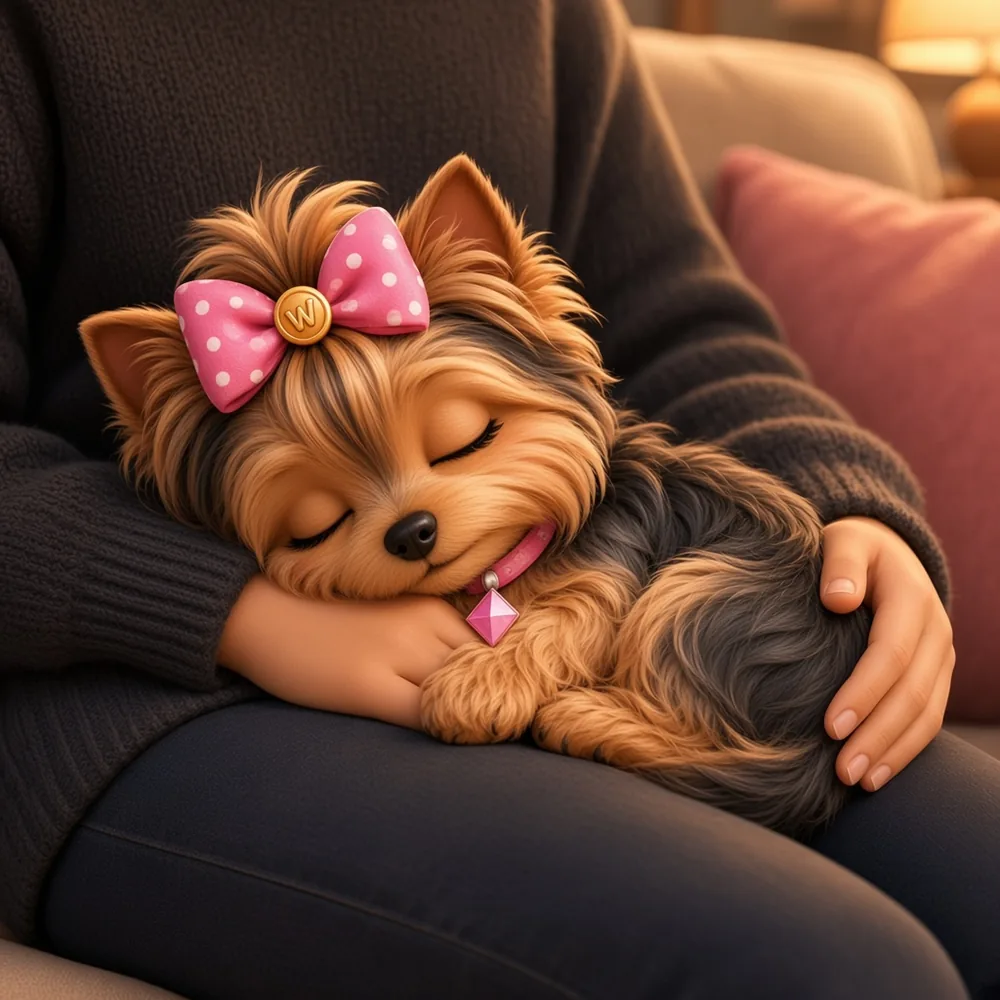
Day to day, the benefits are genuine. Dark clothes stay wearable, you won't be lint-rolling the sofa before guests arrive, and there's no dreaded shedding season twice a year.
The trade-off is simply that the work moves rather than disappears. Instead of vacuuming up hair, you're brushing it out and paying for haircuts. Over a year, a Yorkie takes more grooming effort than a short-haired breed that sheds heavily — it's just effort you schedule rather than clean up after.
Frequently Asked Questions (FAQ)
Are Yorkies hypoallergenic?
No breed can be guaranteed not to trigger allergy symptoms. Yorkies still produce allergens associated with skin, saliva, and urine. Low shedding alone does not establish safety for someone with allergies.
Do Yorkies shed seasonally?
No. Without an undercoat there's no seasonal shedding cycle, so hair loss stays low and steady year-round.
Why is my Yorkie suddenly shedding more?
Possible causes include the puppy coat changing at six to twelve months, fleas or mites, allergies, thyroid problems, stress, or poor nutrition. A clear increase warrants a vet check.
Do Yorkies need haircuts?
Yes. The hair grows continuously, so most need trimming every 6 to 12 weeks unless you're maintaining a full-length show coat.
Which is better for allergies, a Yorkie or a Poodle?
Both are low-shedding and often tolerated well. Individual reactions vary so much that spending time with each is far more informative than comparing breeds on paper.
Does a Yorkie's coat colour change as she grows?
Yes. Puppies are usually born black and tan, and the coat lightens to blue and gold over the first one to two years.
Disclaimer: This article is for informational purposes only and does not replace professional veterinary or medical advice. If you have dog allergies, consult an allergist before bringing a dog into your home, and speak to your vet about any sudden hair loss in your Yorkie.