
If You Hug Your Dog, Do They Understand It as Affection?
8 min read
Category Training & Behaviour
Tag dogs
A hug is a human sentence. Arms close, chests meet, the world gets briefly smaller on purpose. Dogs did not invent that sentence. They invented sitting nearby, leaning, following you into rooms that do not require a second mammal, and putting a chin on your knee as if the knee had been vacant all morning.
Some dogs learn that your hug is safe and even pleasant. Many more tolerate it because they like you, which is not the same as enjoying the squeeze. The honest answer is: she understands that you are doing a people thing. Whether she files it under affection depends on the rest of her body.
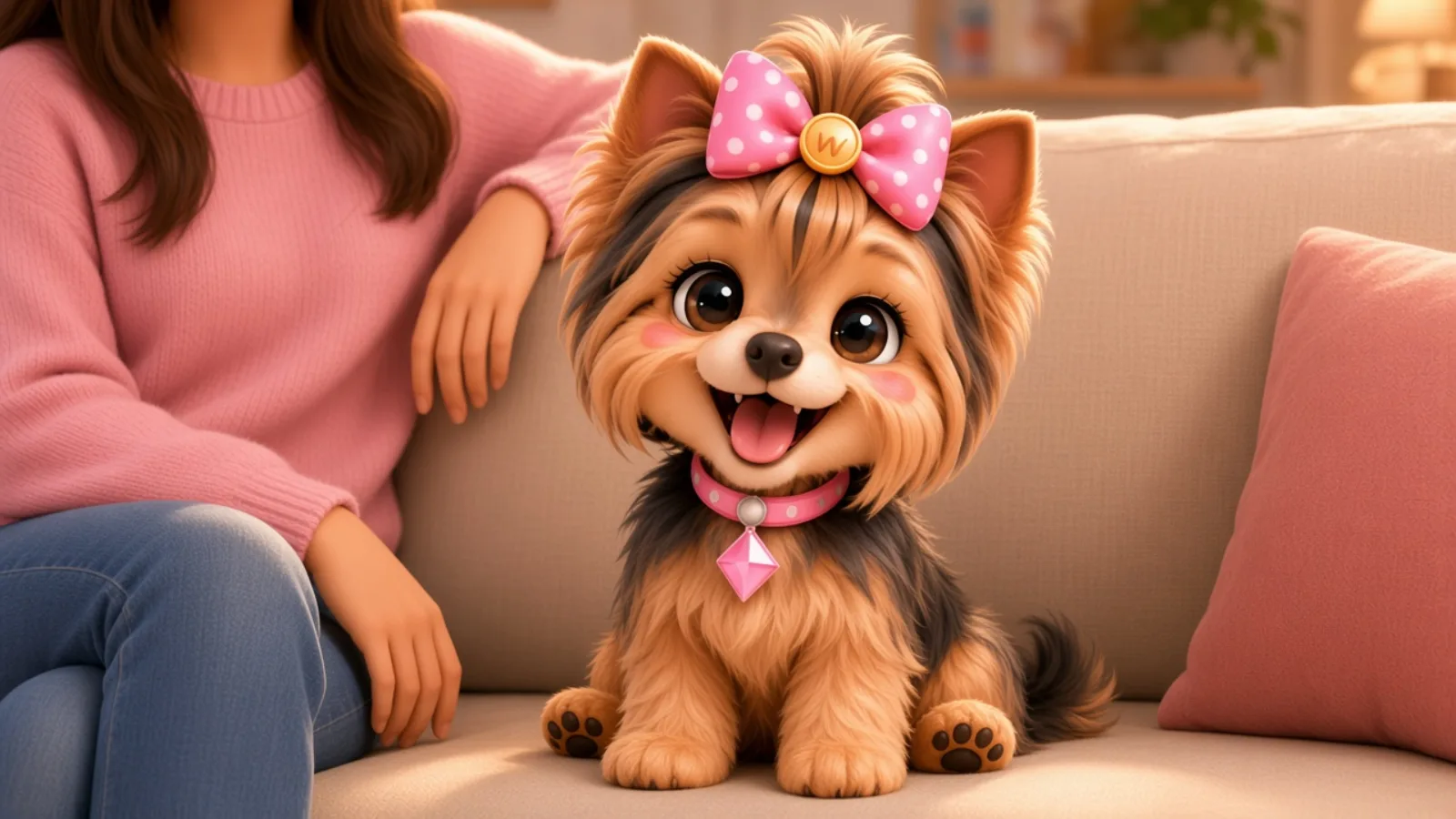
Table of Contents
Dogs Do Not Hug the Way People Do
Dogs greet with space, scent, and motion. They circle, sniff, play-bow, lean, and lick. They rarely pin a friend with both front limbs unless the game has already gone silly or the other dog is a puppy they are managing.
An arm across the shoulders, a face over the top of the head, and no easy exit is closer to being held still than being loved. That is why so many “cute hug” photos show a stiff mouth, a half-moon of white in the eye, or a face turned away from the camera. The person is having a moment. The dog is having a calculation.
This is not a lecture against touching your dog. It is a reminder that your meaning and her experience can part company without anyone being cruel.
How to Tell If She Likes It
Read the whole dog, not the fact that she stayed. Staying can mean “I like you” or “I cannot get to the door.” How to read dog body language is the longer dictionary. For hugs, these are the useful lines:
Comfortable enough
- Body stays loose or she leans in
- Mouth soft, eyes almond, not staring
- She can wriggle, hop down, or walk off and does not look punished for it
- After you let go she comes back, or sighs and settles as if the sofa is correct
Please stop
- Whale eye: a slice of white as she looks away without turning the body
- Closed mouth, ears back, a sudden stillness
- Lip lick, yawn, or a shake-off that is not about water
- Freezing, then a wriggle that is not playful
- A lick that arrives mid-squeeze, which people take as a kiss and dogs often mean as “I would like this to be over”
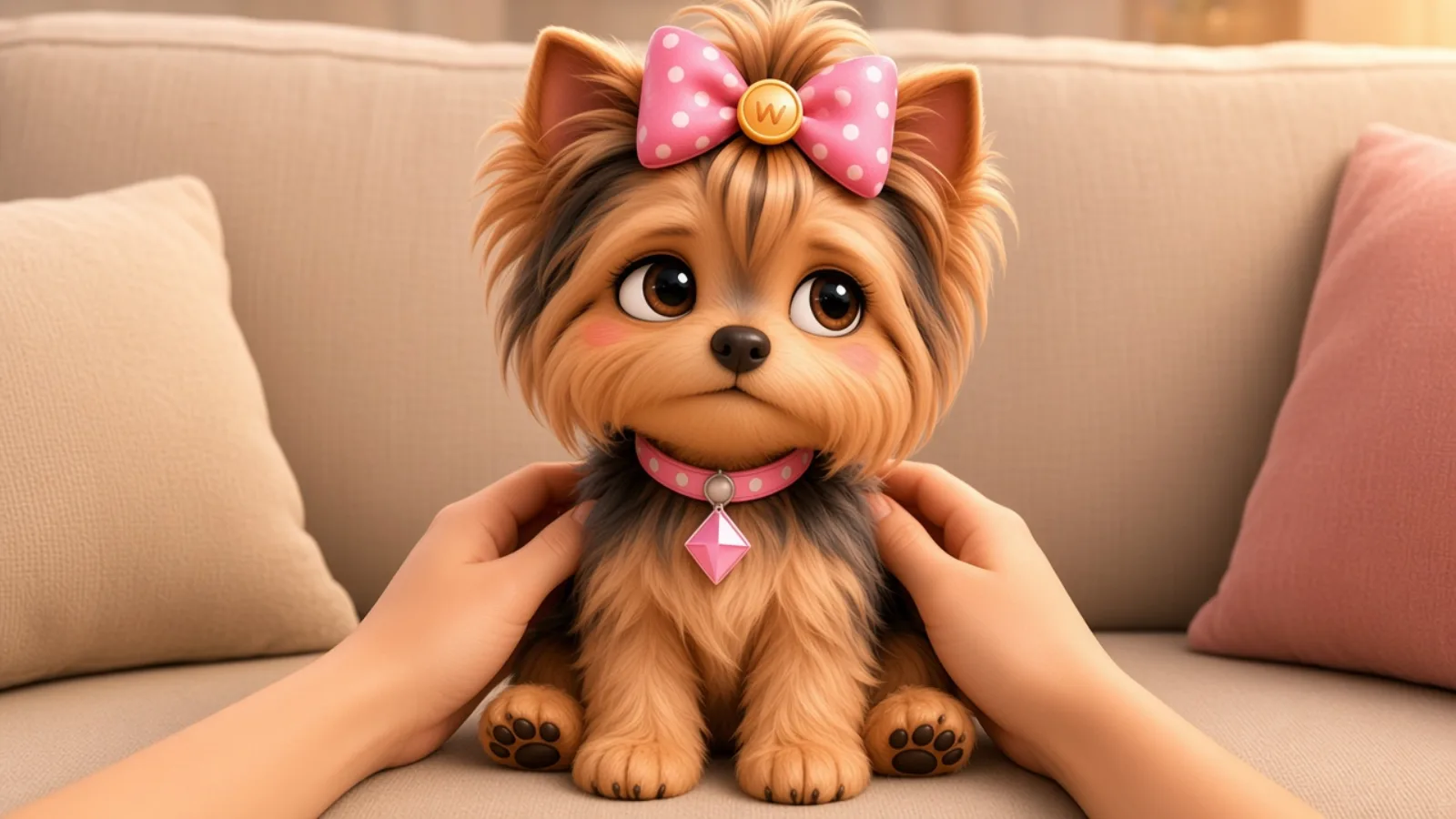
If several of those appear, end the hug. Do not add a tighter squeeze “so she knows you love her.” She already has that information. She is asking for a different format.
A growl or snap during a hug is not a personality reveal. It is a dog who ran out of polite memos. Do not punish the warning. Change the greeting.
Why Some Dogs Learn to Like It Anyway
Dogs are excellent at people. A dog who lives with huggers can pair the wrap with a familiar smell, a quiet voice, and a person who lets go. The hug becomes a ritual, like the jingling of keys that sometimes means a walk. Ritual is not instinct. It is homework she has passed.
Dogs who were handled a lot as puppies, who trust the specific person, and who can leave when they want are the ones who look genuinely pleased. Dogs who were grabbed as a joke, hugged by strangers, or held still for photographs learn a different lesson: arms mean trap.
Small dogs get hugged more because they fit. A four-pound dog cannot shove a chest away. She can only go stiff, shake, or eventually bite the thing that will not release her. If she trembles in your arms, that is not always cold. Why Yorkies shake covers the overlap of fear, temperature, and being held off the floor.
Kinder Ways to Say You Love Her
Try these, then watch whether she stays:
- Sit beside her and let her close the gap
- Scratch the chest, the rump, or the side of the neck, then pause
- Invite a chin on your lap instead of pulling her face into yours
- Lie on the floor and let her choose the contact
- Say her name and wait for the head tilt before you touch her at all
The pause is the test. If she leans back in, continue. If she looks away, stand up, or suddenly become fascinated by the carpet, the conversation ended politely. You can have it again later.
Children should be taught this as a rule, not a suggestion. Face-to-face hugs from a child are a common bite setup: the child is happy, the dog is trapped, the adult is filming. Sit the child, let the dog approach, and keep faces out of the hug.
Guests do not get a hug by default. A dog who accepts yours may still find a stranger’s arms to be an event. A lead, a mat, or a treat on the floor is a better introduction than “she is friendly, go on.”
Frequently Asked Questions
Does my dog know I love her if I stop hugging?
Yes. She has the rest of the day: feeding, walking, talking, sleeping in the same room. Love is a pattern, not a squeeze. If she liked the hug, she will offer the lean. If she did not, she will enjoy you more without it.
Why does she stay still if she hates it?
Because you are bigger, the floor is far away, and stillness sometimes makes the arms finish sooner. Still is not consent. Still is a strategy.
Can I teach her to enjoy hugs?
You can teach her that a light, short wrap from you predicts something good, if she can leave and you stop at the first stiff mouth. You cannot teach every dog to like being pinned. Do not make it a trick for visitors.
Is it different for Yorkies?
The meaning is the same. The physics are worse. A toy dog is easier to scoop, harder to escape, and more often treated as a cushion. Keep hugs optional and keep her feet near the furniture.
Disclaimer: This article is general information, not veterinary or behaviour-clinic advice. A dog who freezes, growls, or snaps when held needs a change in handling and, if it continues, a qualified professional rather than a firmer hug.