
How to Read Dog Body Language: A Practical Guide
12 min read
Category Training & Behaviour
Tag dogs
Dogs communicate constantly, but much of what they say happens before a bark or growl. A head turn, closed mouth, change in weight, or sudden stillness can tell you whether a dog wants to approach, needs space, or is becoming overwhelmed.
No single signal has one fixed meaning. Good body-language reading combines the whole body, the situation, and the change from that individual dog's normal behaviour.
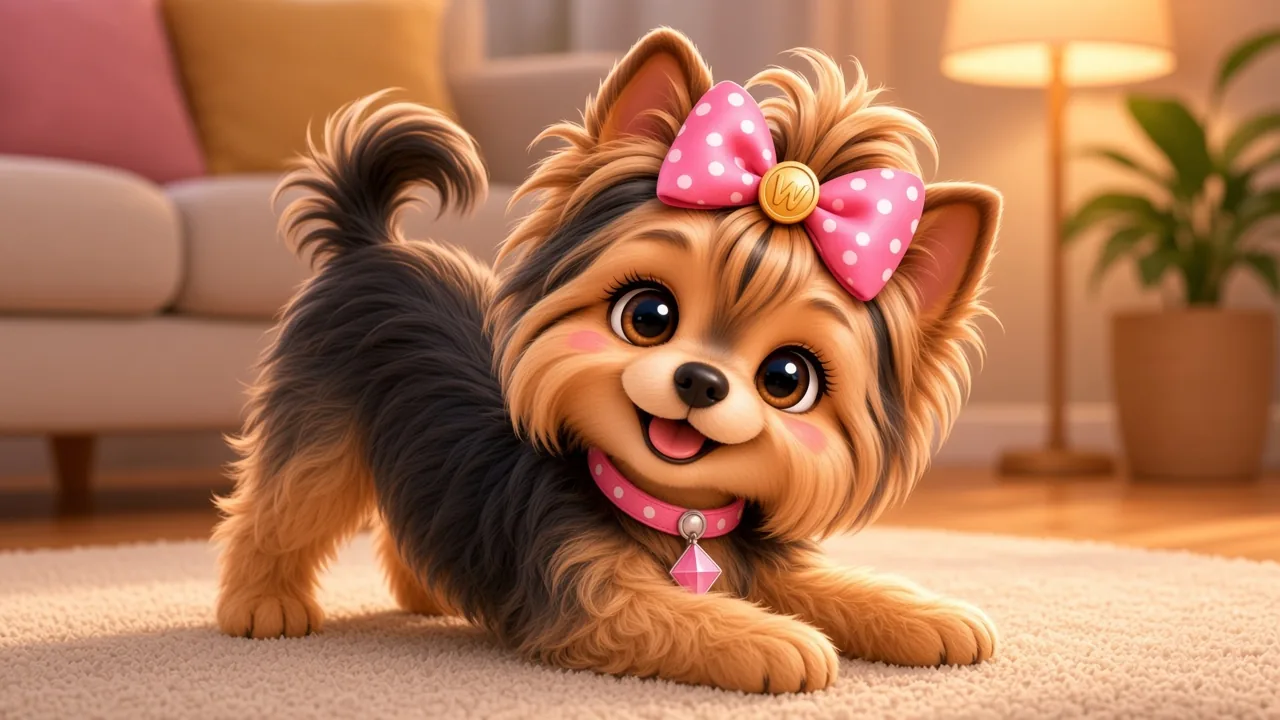
Table of Contents
- Read the Whole Dog
- Signs of a Relaxed Dog
- Early Signs of Stress
- Fear and Anxiety
- When a Dog Is Uncomfortable or Warning You
- What Different Tail Wags Can Mean
- Eyes, Ears, and Mouth
- Excitement Is Not the Same as Happiness
- Reading Dog-to-Dog Interactions
- How to Greet an Unfamiliar Dog
- Children and Dog Safety
- Frequently Asked Questions
Read the Whole Dog
A wagging tail does not necessarily mean a friendly dog, just as lowered ears do not automatically mean fear. Start with three questions:
- Is the body loose or tense?
- Is the dog trying to move closer, stay still, or create distance?
- What changed immediately before the signal appeared?
A loose, curved body usually indicates comfort. A stiff, forward, backward, or frozen body deserves caution. Movement often reveals more than the position of one body part.
Signs of a Relaxed Dog
A comfortable dog commonly shows:
- Soft muscles and a naturally curved posture
- An open mouth without tight lips
- Normal blinking and soft-looking eyes
- Ears resting in their usual position
- Weight distributed evenly
- Fluid movement rather than stalking or freezing
- A broad, loose tail wag that may move the hips too
A play bow—front legs down, rear up—is a clear invitation when the rest of the body remains bouncy and relaxed. Sneezing during play can also signal that rough-looking movements are still friendly.
Early Signs of Stress
Dogs often use subtle signals to calm a situation or ask for more distance. These are easy to miss:
- Turning the head or whole body away
- Lip licking when no food is present
- Yawning when not tired
- Showing the whites of the eyes, often called “whale eye”
- Suddenly sniffing the ground
- Lifting one front paw
- Shaking off when not wet
- Panting when it is not hot
- Closing the mouth abruptly
- Moving slowly or leaning away
One yawn means little in isolation. Several signals appearing after a child hugs the dog, a stranger reaches overhead, or another dog approaches are meaningful.
Respond early: pause the interaction, add distance, and let the dog choose whether to return. Respecting quiet signals makes louder ones less necessary.
Licking is especially easy to misread because it can be friendly, attention-seeking, or a request for space. Why do dogs lick you shows how the surrounding posture changes its meaning.
Fear and Anxiety
A frightened dog may crouch, tuck the tail, flatten the ears, avoid eye contact, tremble, hide, or attempt to flee. Some dogs become very still instead. Freezing is not calmness; it can be the final warning before defensive action.
Small dogs are frequently picked up while frightened. That may prevent escape without changing the emotion, leaving the dog trapped close to the thing she fears. When it is safe, create distance and guide her away rather than forcing contact.
If anxiety appears around departure cues or when the dog is alone, it may be more than general nervousness. Destructive behaviour, drooling, vocalising, or frantic escape attempts during absences warrant a structured plan with a veterinarian or qualified behaviour professional.
When a Dog Is Uncomfortable or Warning You
Warning signs can include:
- A hard, fixed stare
- A tightly closed mouth
- Sudden stillness
- Weight shifted forward
- A stiff, high tail or very tight wag
- Wrinkling around the muzzle
- Showing teeth
- Growling, snarling, snapping, or lunging
Do not punish a growl. A growl is valuable information that the dog feels unsafe and may bite if pressure continues. Punishing it can suppress the warning without changing the underlying fear, producing a dog who appears to bite “without warning.”
Stop approaching, turn slightly sideways, avoid staring, and create a calm exit. If this happens repeatedly, note the trigger and seek professional help.
What Different Tail Wags Can Mean
Look at height, speed, breadth, and body tension:
- Broad, sweeping wag with loose hips: usually social and relaxed
- Fast, short wag with a stiff body: high arousal; not automatically friendly
- High, rigid tail: alertness or confidence, sometimes a warning
- Low wag or tucked tail: uncertainty, fear, or appeasement
- Neutral tail: depends on the dog's natural carriage and breed
Breed shape matters. A Pug's curled tail, Greyhound's low tail, and terrier's naturally upright tail cannot be compared as if they start from the same neutral position.
Eyes, Ears, and Mouth
Eyes
Soft eyes blink naturally. Hard eyes stare with visible tension around the lids. Dilated pupils may reflect fear, excitement, pain, or low light, so use the context.
Direct staring can feel threatening to a dog. Children should be taught not to put their faces near a dog's face, even when the dog is familiar.
Ears
Forward ears show attention, but that attention may be curious or confrontational. Ears drawn back can accompany fear, appeasement, affection, or simply speed during movement. Compare them with their normal position.
Mouth
A gently open mouth can indicate relaxation. Tight lips, repeated lip licking, drooling, rapid panting, and a suddenly closed mouth suggest increasing tension. Bared front teeth with a wrinkled muzzle are an unmistakable request for space.
Excitement Is Not the Same as Happiness
A dog spinning, barking, jumping, or racing may be enjoying herself, but she is also highly aroused. High arousal reduces impulse control and can tip into rough play, frustration, or conflict.
This distinction matters when addressing vocal behaviour. Why does my Yorkie bark so much explains how excitement, fear, attention seeking, and alarm barking require different responses.
Build short pauses into play, reward four paws on the floor, and end while everyone is still coping rather than after behaviour falls apart.
Reading Dog-to-Dog Interactions
Healthy play is loose, bouncy, and reciprocal. Dogs take turns chasing, pause voluntarily, and adjust their strength. Role reversals are a good sign.
Interrupt and separate calmly when you see:
- One dog repeatedly trying to escape or hide
- Persistent pinning without role reversal
- Stiff posture or prolonged staring
- Mounting that continues after the other dog objects
- Escalating speed and intensity without pauses
- A large size mismatch combined with poor self-control
Try a consent check: briefly hold back the more enthusiastic dog. If the other returns with loose movement, play can resume. If she leaves, sniffs elsewhere, or stays close to you, she wanted the break.
How to Greet an Unfamiliar Dog
Ask the owner first. Then:
- Stand at an angle rather than facing the dog head-on.
- Keep your hands relaxed instead of pushing one toward her nose.
- Let the dog choose to approach.
- Pet the shoulder or chest rather than reaching over the head.
- Pause after a few seconds. Continue only if she asks for more.
A dog who moves away has answered. Do not follow her.
Children and Dog Safety
Adults should actively supervise, close enough to intervene—not simply be somewhere in the room.
Children should never climb on a dog, hug tightly, pull ears or tails, disturb sleep, approach food, take a chew, or corner a dog. Give the dog a bed or gated area where nobody follows her.
Many bites happen when adults miss the earlier head turns, lip licks, and freezes. Teaching children to recognise “the dog said no” is more protective than teaching them to wait for a growl.
Frequently Asked Questions
Why does my dog show the whites of her eyes?
“Whale eye” often appears when a dog keeps her head away while watching something that worries her. Add distance and assess the rest of her body rather than moving closer.
Does a dog wagging her tail want to be petted?
Not necessarily. A loose whole-body wag is encouraging; a fast, tight wag on a stiff dog is not. Let the dog choose to approach and pause frequently.
Why does my dog shake after meeting another dog?
A full-body shake can release tension after an exciting or uncomfortable interaction. It is often a useful sign that the dog is resetting.
What should I do if my dog growls at me?
Stop what you are doing and give space. Do not punish the warning. Consider pain, guarding, fear, or handling sensitivity, and consult a veterinarian or qualified behaviour professional if it recurs.
Disclaimer: This article offers general education, not an assessment of an individual dog. Sudden behaviour changes can be caused by pain or illness. Consult your veterinarian and a qualified, reward-based behaviour professional about aggression, severe fear, or bite risk.