
Senior Yorkie Care: What Changes After Age Eight
11 min read
Category Health & Care
Yorkshire Terriers are generally considered senior from around eight years old, though many are still bouncing off the furniture well past ten. With a typical lifespan of 13 to 16 years, a Yorkie can spend nearly half her life in her senior years, which makes this stage worth planning for rather than reacting to.
Most of what changes is gradual and easy to miss. This guide covers what to adjust in her diet, home, exercise and vet routine, and which changes are normal ageing versus a reason to call the vet.

Table of Contents
When Is a Yorkie Actually "Senior"?
- 8–10 years: early senior. Often no visible change beyond slightly less stamina
- 10–12 years: middle senior. Greying muzzle, longer naps, stiffness after rest
- 12+ years: geriatric. Noticeably reduced hearing and sight, more sleep, slower movement
Small breeds age more slowly than large ones, so an eight-year-old Yorkie is not the equivalent of an eight-year-old Labrador. Don't treat her as old before she acts it. The point of the senior label is that it's when twice-yearly vet visits and closer monitoring start paying off.
What's Normal Ageing and What Isn't
Normal: sleeping more, greying around the muzzle and eyes, being slower to get going, less interest in long walks, mild cloudiness in the eyes, choosing warm spots.
Not normal, and worth a vet visit: weight loss without a diet change, increased drinking or urinating, bad breath that's suddenly worse, lumps that change size, laboured breathing, a persistent cough, disorientation in familiar rooms, or reluctance to be touched.
The single most useful habit is monthly weight checks. A kitchen scale and a note on your phone will catch problems months before they're visible, because a half-pound loss on a six-pound dog is nearly 10% of her body weight.
Diet Adjustments
Senior Yorkies need fewer calories but the same or slightly more protein, which is the opposite of what a lot of older "senior formula" advice suggests.
- Reduce portions gradually if she's gaining weight, since a less active dog needs less fuel
- Keep protein up to protect muscle mass, unless your vet has diagnosed kidney disease
- Soften food with warm water if chewing has become uncomfortable
- Smaller, more frequent meals are easier on an older digestive system
- Keep water easily reachable on every floor she uses
- Add omega-3 after discussing it with your vet, for joints and coat
Watch the treats. Older dogs are less able to burn off extra calories, and obesity makes every other senior problem worse. The safe options and portions in human foods Yorkies can safely eat still apply, just in smaller amounts.
Making the Home Easier
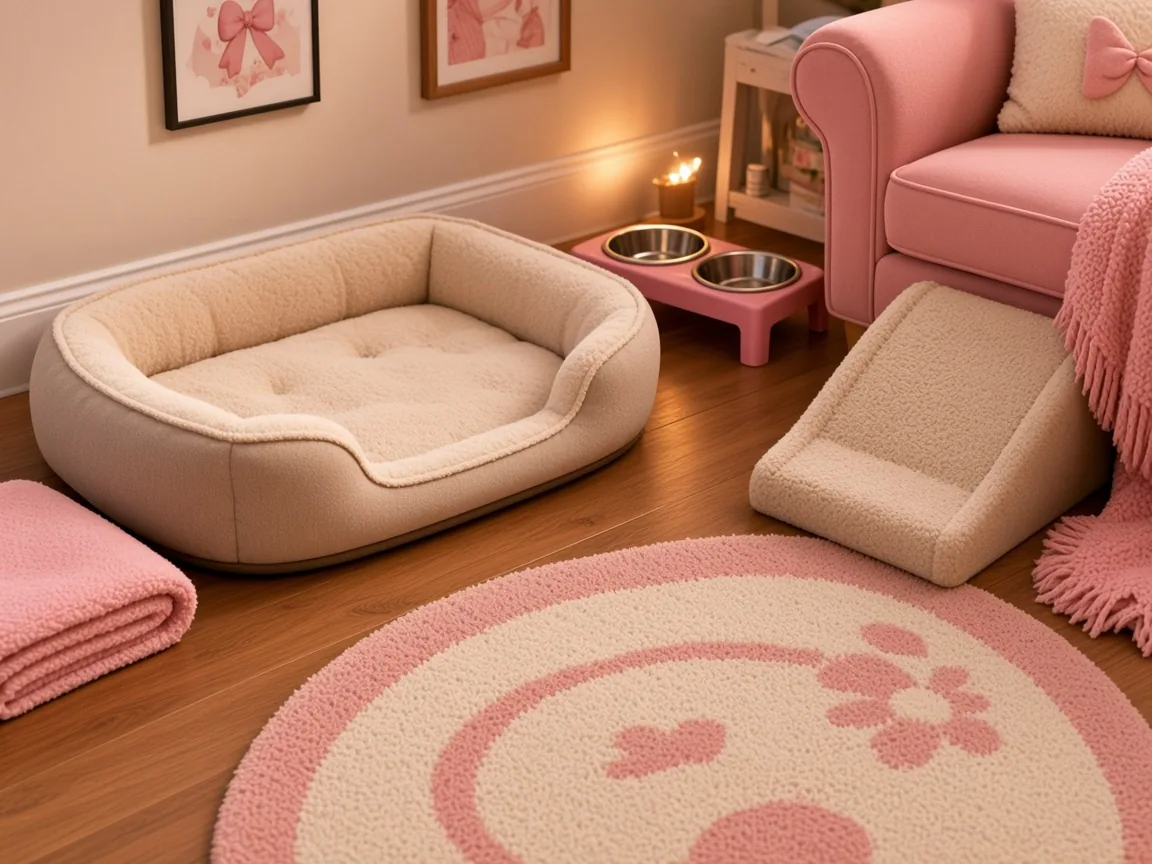
Most senior comfort comes from small, cheap changes rather than equipment.
- Orthopaedic bed with bolstered sides, placed away from draughts
- Ramps or pet steps up to the sofa and bed, because jumping down is a fracture risk at any age and far worse now
- Non-slip runners on wooden or tiled floors. Slipping is a major cause of senior injury and of confidence loss
- Raised food and water bowls to reduce neck strain
- A nightlight for a dog whose sight is fading
- Keep furniture where it is. A dog losing her vision navigates from memory, so rearranging the room is genuinely disorienting
- Extra warmth — a jumper indoors in winter isn't excessive for a dog this size with thinning hair
If she starts having accidents indoors, rule out a urinary tract infection or kidney issue before assuming it's age. Then make the toilet trip easier rather than retraining her.
Exercise: Less Intensity, Same Frequency
Keep the walks, shorten them. Two or three gentle 10 to 15 minute outings suit most senior Yorkies better than one longer walk, and regular gentle movement keeps joints working.
- Let her set the pace and the route
- Stop while she's still comfortable rather than when she's flagging
- Avoid stairs, jumping and sudden turns
- Swap some physical activity for scent work, which tires her mentally without stressing joints
- Be stricter about heat and cold, since older dogs regulate temperature poorly
The detail on duration, weather limits and joint-friendly options is in how much exercise a Yorkie needs. The senior adjustment is mainly about reducing impact, not reducing frequency.
Vet Care and Monitoring
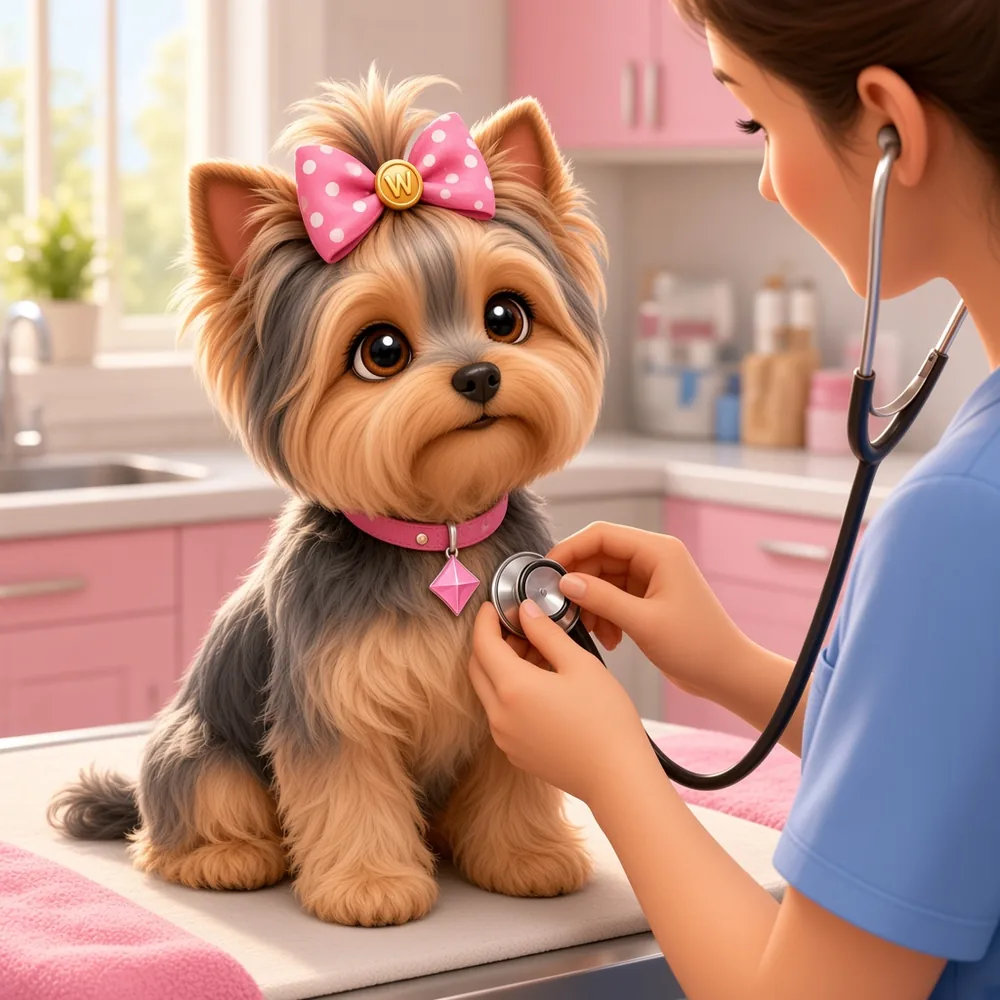
Move from annual to twice-yearly check-ups at around eight years old. Dogs age fast enough at this stage that a year is a long gap.
Expect your vet to suggest baseline senior blood work, which is genuinely worth doing. It catches kidney, liver and thyroid changes while they're still manageable, and gives you a comparison point for later. Blood pressure and urine testing are often added too.
Dental care matters more now, not less. Periodontal disease has had years to progress, and dental pain is a common hidden cause of a senior dog going quiet or eating less. The routine in Yorkie dental care applies throughout her life, and extractions are usually well tolerated even in older dogs.
Keep a simple log of weight, appetite, drinking, toilet habits and mobility. It turns vague impressions into something your vet can act on.
Common Senior Yorkie Conditions
Dental disease is near-universal without preventive care, and is painful long before it's obvious.
Collapsing trachea often worsens with age. The honking cough may become more frequent; a harness and weight control both help.
Heart disease, particularly mitral valve disease, is common in the breed. Early signs are a cough, tiring quickly, and faster breathing at rest. Counting her breaths while she sleeps is a useful home check — consistently over 30 a minute warrants a call.
Kidney disease shows up as increased drinking and urinating, often the first thing owners notice.
Arthritis is underdiagnosed in small dogs because they hide it well. Reluctance to jump up, stiffness after sleeping, or new irritability when handled are all worth raising.
Cognitive decline looks like night-time pacing, staring at walls, getting stuck in corners, forgetting house training, or barking with no trigger. There are treatments that help, so it's worth mentioning rather than accepting.
Vision and hearing loss are gradual. Most dogs cope well if you keep the environment predictable and approach her within sight rather than startling her.
New tremors in the legs are fairly common with age and usually relate to muscle weakness or joint discomfort. Why do Yorkies shake sets out which causes are benign and which need a vet.
Quality of Life
Noticing changes in an older companion can be emotionally difficult. You do not have to judge quality of life on your own: your vet can help assess pain, mobility, appetite, sleep, and the things your dog still enjoys.
Keep a brief record of comfortable days and difficult ones, alongside any treatment changes. Notes can support a conversation, but new pain, breathing difficulty, collapse, or inability to eat needs prompt veterinary advice rather than waiting to see a long-term pattern.
If decisions about end-of-life care arise, ask your vet about comfort, treatment options, and support for your family. There is room for questions and for the feelings that come with caring for an older dog.
Frequently Asked Questions (FAQ)
At what age is a Yorkie considered a senior?
Around eight years, though it's a guideline rather than a switch. Many Yorkies are still very active at ten.
How long do Yorkies live?
Typically 13 to 16 years, which is long for any dog breed. Dental care, suitable nutrition, and regular vet visits support wellbeing, but cannot guarantee a particular lifespan.
Should I switch to senior dog food?
Not automatically. Senior formulas vary a lot, and some cut protein in ways that aren't helpful. Ask your vet to recommend based on her weight and blood work.
Why is my senior Yorkie drinking so much water?
Common causes are kidney disease, diabetes and Cushing's disease. It's one of the clearer signs that needs a vet visit rather than monitoring.
My older Yorkie has started having accidents indoors. Why?
Rule out a urinary tract infection or kidney disease first. If medical causes are excluded, it may be cognitive decline or simply reduced bladder control, both of which are manageable.
Is it safe to put an older Yorkie under anaesthetic for dental work?
Usually yes, with pre-anaesthetic blood work and appropriate monitoring. Leaving painful dental disease untreated is generally the greater risk.
Disclaimer: This article is for informational purposes only and does not replace professional veterinary advice. Senior dogs can deteriorate quickly, so consult your veterinarian about any change in your Yorkie's weight, appetite, drinking, breathing, or behaviour.