
Common Health Issues Yorkie owners need to be aware to
9 min read
Category Health & Care
One of the most beloved toy breeds, the Yorkshire Terrier is a small yet spunky pup with a big personality. While these dogs are generally healthy and often live 11 to 15 years, there are some conditions the breed is genuinely more prone to than others. Knowing the early signs is the single most useful thing an owner can do.
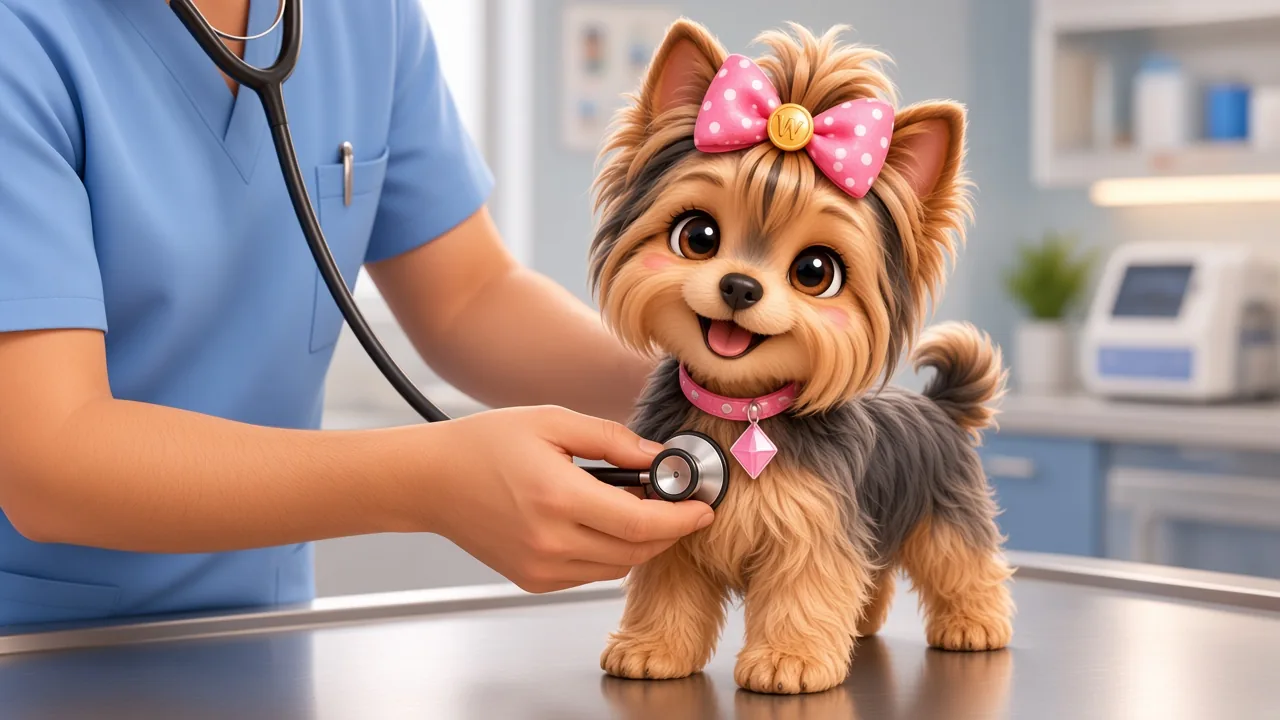
Table of Contents
Heart Disease
This is a common problem in Yorkshire Terriers, as it is in many other small breeds. The most common type is a form of heart valve disease known as mitral valve disease (MVD), where the valve between the left atrium and ventricle gradually thickens and stops sealing properly.
MVD can cause a variety of symptoms, including a persistent cough, shortness of breath, reduced stamina and a general drop in energy. It is usually first picked up as a heart murmur during a routine examination, long before any symptoms appear — which is one of the better arguments for annual check-ups. Many dogs live comfortably for years with medication once it is diagnosed.
Luxating Patella
This is a condition in which the kneecap slides out of its normal position, causing lameness and pain in the affected leg. It is one of the most common orthopaedic problems in toy breeds.
The classic sign is a sudden skip or hop in the gait — your Yorkie runs, briefly holds up a back leg, then carries on as though nothing happened. It is graded by severity, and mild cases are often managed with weight control, measured exercise and joint support, while severe cases may need surgery.
There is a strong genetic component, so it is worth ensuring any puppy you are considering comes from a breeder who screens their breeding dogs.
Collapsing Trachea
The trachea is held open by rings of cartilage. In some small dogs those rings weaken and flatten, narrowing the airway. The hallmark sign is a dry, honking cough that sounds a little like a goose, typically triggered by excitement, pulling on the lead, or pressure on the throat.
This is the main reason to walk a Yorkie on a harness rather than a neck collar. Keeping weight down and avoiding smoke and other airway irritants also helps. Mild cases are managed medically; severe ones occasionally need surgical support.
Dental Disease
Yorkies have the same number of teeth as a much larger dog, packed into a far smaller jaw. The crowding traps plaque, and periodontal disease follows. It is extremely common in the breed and almost entirely preventable.
Watch for bad breath, red or receding gums, reluctance to chew on one side, or pawing at the mouth. Daily brushing genuinely works — Yorkie dental care covers how to build the habit with a dog who would rather you did not.
Hypoglycemia
Low blood sugar is a real risk in Yorkies, especially puppies, who have very little energy reserve to draw on. It causes weakness, wobbliness, glassy eyes, lethargy and, in severe cases, seizures or collapse.
Prevention is mostly about feeding small meals frequently rather than one or two large ones, and not letting long gaps open up — particularly under six months of age. Trembling is one of the earliest signs, and why do Yorkies shake covers how to tell a hypoglycemic episode apart from the far more common harmless causes. If you suspect low blood sugar, call a vet immediately. Follow the hypoglycaemia first-aid guide; do not put anything into the mouth of a dog who is unconscious or seizing.

Portosystemic Shunt
A liver shunt is an abnormal blood vessel that lets blood bypass the liver instead of being filtered by it. Yorkshire Terriers are among the breeds most predisposed to the congenital form, which is usually present from birth.
Signs tend to show in puppyhood: poor growth, low weight, disorientation or dullness after meals, excessive drinking, and sometimes seizures. It is diagnosed with bile acid blood testing and imaging. Some cases are managed with diet and medication, others are corrected surgically with good outcomes.
Reverse Sneezing
Reverse sneezing is a strange but harmless condition characterised by a honking or snorting sound as the dog rapidly pulls air in through the nose. It is caused by irritation of the soft palate and throat, which triggers a brief spasm.
Reverse sneezing often resolves on its own. Keep the dog calm and avoid blocking the nose or forcing the mouth open. Record an episode if safe and ask your vet to confirm the cause, especially if it is new or frequent. Persistent breathing difficulty, blue or pale gums, or collapse require emergency care.
Respiratory Infections
Small nasal passages and narrow airways mean upper respiratory infections can hit small breeds harder than larger ones. Coughing, nasal discharge, sneezing and lethargy all warrant a call, especially if breathing seems laboured.
Intervertebral Disc Disease
IVDD occurs when the cushioning discs between the vertebrae degenerate or rupture, pressing on the spinal cord. It causes pain, reluctance to jump or climb stairs, an arched back, and in serious cases weakness or loss of coordination in the hind legs.
Discouraging jumps from sofas and beds, using ramps or steps, and keeping weight sensible all reduce the load on a small spine. Sudden hind-leg weakness is an emergency — see a vet the same day.
Bladder Stones and Urinary Infections
Yorkies are predisposed to bladder stones, and dogs with liver shunts are prone to a particular type of stone as a complication. Urinary tract infections are also seen frequently.
Signs include straining, frequent small urinations, accidents from a previously reliable dog, blood in the urine, or obvious discomfort. Constant access to fresh water helps, and any straining to urinate should be treated as urgent rather than monitored at home.
Coccidia and Intestinal Parasites
Coccidia is a protozoal parasite of the intestines, most often picked up by puppies, causing watery or bloody diarrhoea, poor appetite and dehydration. Because small dogs dehydrate fast, diarrhoea in a Yorkie puppy deserves quicker attention than it would in a large breed. It is diagnosed from a faecal sample and treated with medication.
The Practical Takeaway

Most of this list is manageable or preventable, and none of it is a reason to avoid the breed. The habits that matter most are unglamorous: brush the teeth, keep the weight down, walk on a harness, feed regularly, and take a dog with a new honking cough, a skipping back leg or sudden weakness to the vet rather than to a search engine.
Annual check-ups do a lot of quiet work here too, since murmurs, dental disease and early joint problems are usually found by a vet before they are noticed at home. For older dogs, senior Yorkie care covers what changes after about eight years of age.
Disclaimer: This article is for informational purposes only and does not replace professional veterinary advice. If you are worried about any symptom in your Yorkie, contact your vet — several of the conditions above are time-sensitive.