
Cute yorkie playing fetch in the park
5 min read
Category Play & Enrichment
Fetch is the great equaliser of dog games. It does not matter that I am seven pounds and the labrador across the park is seventy — the ball comes back, and I am the one who brought it.
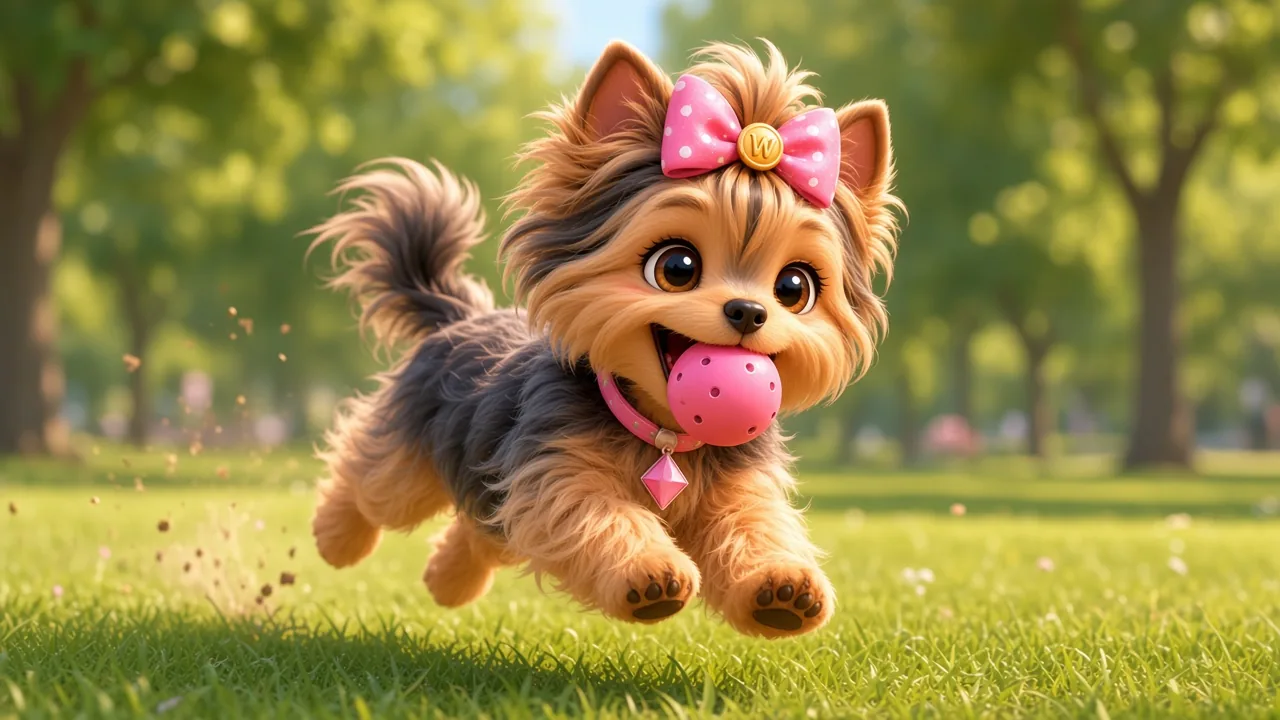
Table of Contents
Why Fetch Suits Yorkies So Well
Terriers were bred to chase, and that instinct is still fully intact. Fetch taps straight into it, which is why most Yorkies need no teaching at all — the chase is self-rewarding, and the running back is usually just a desire to do it again.
It is also efficient. A Yorkie covers a surprising amount of ground in a small space, so ten minutes of fetch in a park or a hallway delivers more exercise than the same ten minutes of walking. On days when a long walk is not happening, this is the game to reach for.
Getting the Equipment Right
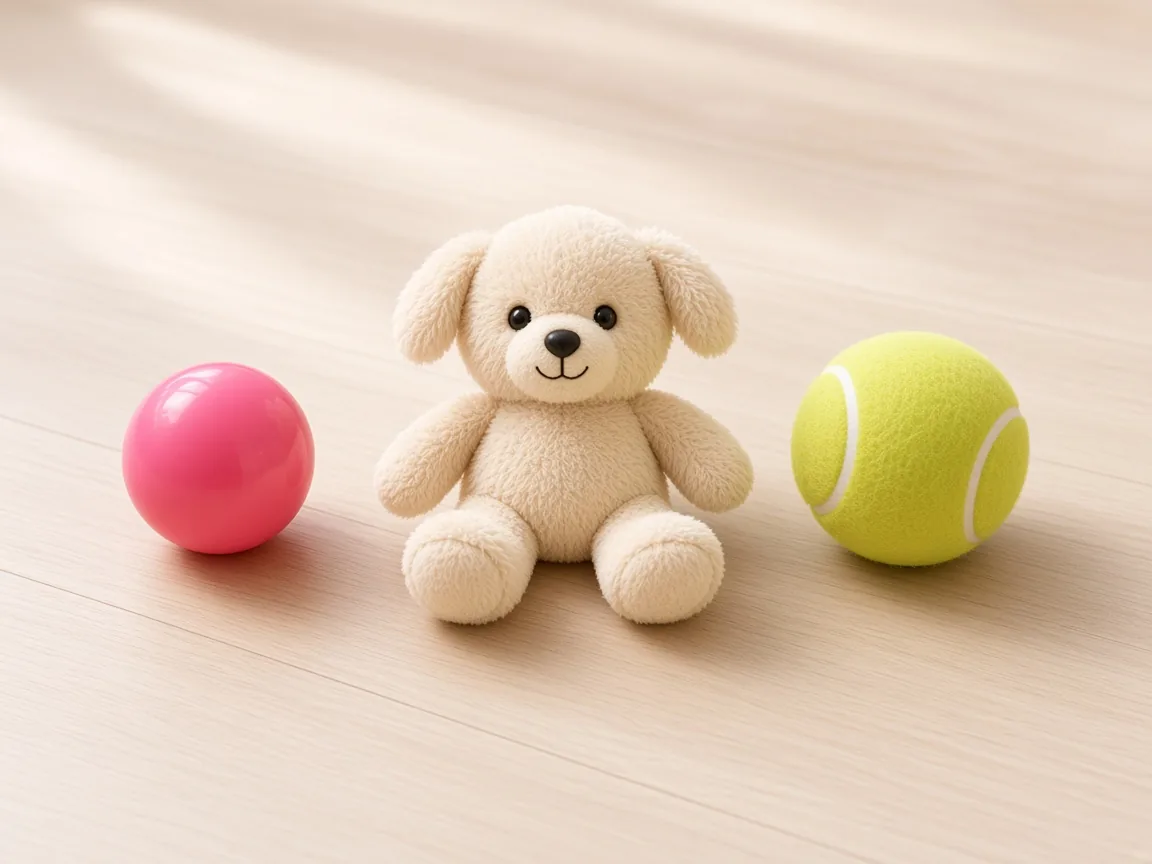
The most common mistake is the ball. A standard tennis ball is genuinely too large for a Yorkie to carry — we cannot get our jaws around it properly, which turns a fun game into a frustrating one.
What works better:
- A small ball, roughly 1.5 to 2 inches across, that still cannot be swallowed
- Soft plush toys, which are easy to pick up and kind on the teeth
- Lightweight rubber toys scaled for toy breeds
Blue and yellow are also easier for dogs to distinguish than red on green grass; what colors can dogs see explains why a bright ball can seem to disappear the moment it stops moving.
What to skip: anything small enough to be a choking hazard, anything hard enough to chip a tooth, and sticks, which splinter.
Playing It Safely
A few adjustments make a real difference for a dog this size:
Throw low and along the ground. Rolling throws avoid the leaping, twisting landings that put strain on small knees. Luxating patella is common in the breed, and this is one of the easier risks to reduce.
Prefer grass. Soft ground is much kinder than pavement for repeated sprinting and stopping.
Keep sessions short. Five to ten minutes of hard running is plenty for most adult Yorkies. We will not tell you when we have had enough, so it falls to you.
Watch for the signs to stop. Heavy panting that does not ease, lagging behind, lying down mid-game or any limping all mean the session is over. Small dogs overheat faster than their enthusiasm suggests.
Go easy with puppies. Short, gentle bursts only. Growing joints should not be doing repeated high-impact work.
Teaching the Return
Plenty of Yorkies master the chase instantly and then treat the bringing-back part as optional. The trick is to make returning more rewarding than keeping:
Do not chase your dog to retrieve the toy — that turns the toy into a prize worth guarding. Instead, use two identical toys and throw the second the moment the first one is dropped. The dog quickly learns that coming back starts the game again.
Add a cue like "bring it" as it is happening, and reward the drop rather than the catch. In a secure, enclosed space this takes most dogs only a handful of sessions.
Where Fetch Fits
Fetch is one tool, not the whole routine. Yorkies also need sniffing time, mental work and a decent amount of rest — what activities do Yorkies like covers the full range, and how much exercise does a Yorkie need covers appropriate daily amounts by age.
Now, if someone could throw the ball again, that would be ideal.
Disclaimer: This article is for informational purposes only and does not replace professional veterinary advice. Check with your vet before starting a new exercise routine, especially for puppies, seniors, or dogs with known joint, heart or airway conditions.