
Recall Training With a Long Line: Freedom With a Safety Plan
4 min read
Category Training & Behaviour
A long line can give a dog more exploring room while you practise coming back. It is not a magic cord that turns a squirrel-filled park into an easy classroom.
The training comes from rewarding returns in manageable situations. The line is the safety backup, and it needs as much thought as the cue.
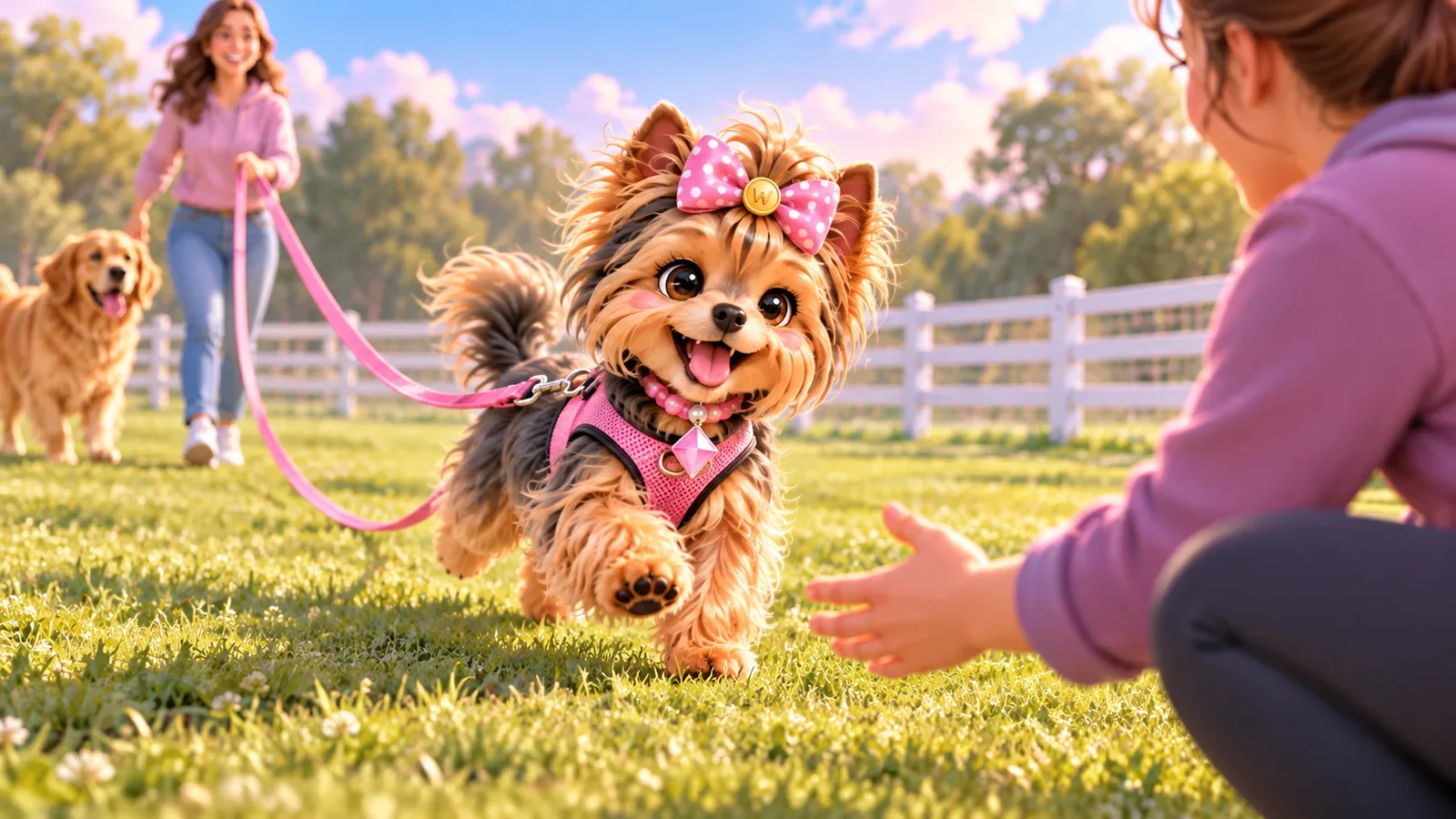
Table of Contents
Choose the space before choosing the distance
Begin indoors or in a secure garden, then move to a quiet enclosed area with clear footing. Avoid roads, livestock, playgrounds, crowded paths and places where a line can snag or trip people.
Ask a qualified reward-based trainer to demonstrate handling if you are unfamiliar with long lines. A dog accelerating to the end can injure both dog and handler; more length is not automatically better.
Attach the line to a well-fitting body harness, not a neck collar. Check equipment, surface and suitability for your dog's size and health. For small dogs, a heavy wet line may be uncomfortable even when the harness fits.
Practise a short, valuable return
Start close enough that your dog can easily notice you. Use one consistent recall cue, then make arriving worthwhile with an appropriate reward. Reward near you so returning all the way becomes part of the pattern.
For an easy first session, allow a little exploration, call once when the dog is not absorbed in something else, reward the return and release them to sniff again. A few successful repetitions are more useful than twenty increasingly ignored calls.
Wendi would like the “return to sniffing” clause included in all future contracts.
Keep the line from becoming the lesson
Manage slack so it does not wrap around paws, people or furniture. Do not wind it around your hand, and do not grab a fast-moving line with bare fingers. Use suitable footwear and handling advice; keep children out of the line area.
Avoid jerking the dog towards you, letting them sprint into a hard stop or dragging them back after a missed cue. If they cannot respond, reduce the distance and distraction next time. The aim is choosing to return, not learning to endure a pull.
The Scottish SPCA's recall advice stresses consistent cues, rewards and avoiding punishment for late returns.
Reward the return even when it was slow
If your dog finally comes back, do not tell them off. From their perspective, the last thing they did was approach you.
Also avoid making every recall predict the end of fun. Many practice returns can lead to another sniff or a short game. When it is time to leave, reward, calmly secure the shorter lead and head home.
Keep challenges gradual: a new setting, more distance or an extra distraction, rather than all three at once. Hand-target training can help with moving close to you without grabbing.
Off-lead time is a separate decision
Successful practice does not create a guarantee around wildlife or traffic. Follow local rules, your dog's individual rehoming or behaviour advice and the conditions on the day. Some dogs will need secure fields and lead-based exercise long term.
The useful milestone is a dog who increasingly enjoys returning to you. That is worth building even if the long line remains part of the plan.