
Where to Put a Cat Scratching Post So It Actually Gets Used
5 min read
Category Life with Pets
Tags cats home enrichment
You bought a scratching post. Your cat inspected the box, accepted the sofa and has not looked back. Before deciding that the cat has expensive taste, look at where the post lives.
Scratching is normal cat behaviour. A useful setup gives that behaviour a good destination in the places the cat already uses, rather than asking them to make a special journey behind the spare-room door.
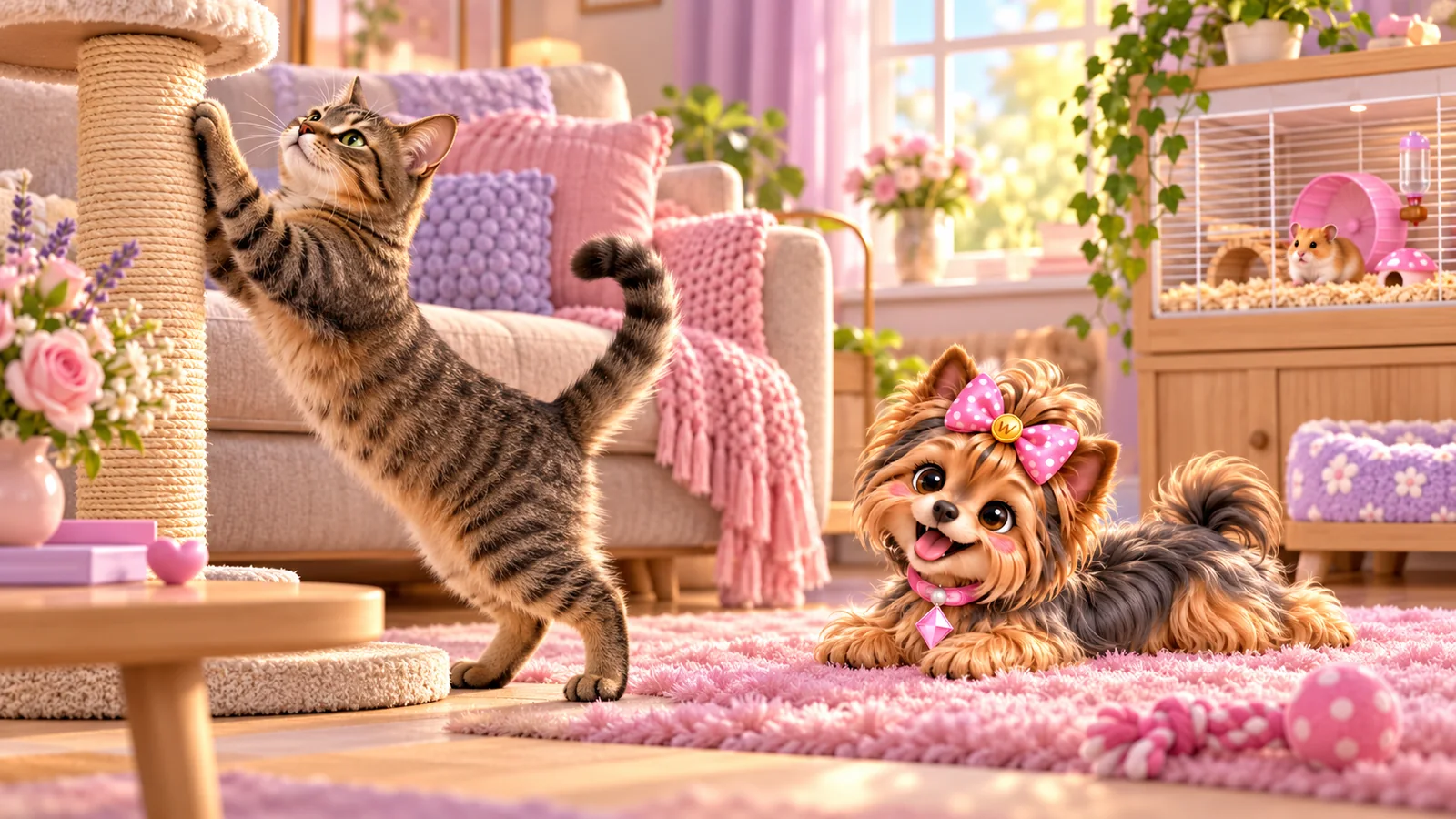
Table of Contents
Follow the evidence on the furniture
Look at the existing scratch marks. A cat working down a sofa arm may prefer a vertical surface. A cat scratching carpet may prefer a horizontal pad. Start by matching the orientation and offering a texture they willingly investigate.
Put the new surface beside the current favourite location. It may be less tidy than your original decorating plan, but it makes the alternative easy to find at the moment the cat wants it.
Another promising spot is near a favoured sleeping area. Stretching and scratching can go together after a nap. Wendi supports this routine, although she would like the sofa to remain available for sitting.
Stability matters more than decoration
A vertical post should let the cat stretch fully and should not wobble under their weight. Test the base before expecting the cat to trust it. Check horizontal scratchers do not skid across the floor.
Watch how the cat approaches and leaves. A post squeezed between a noisy appliance and a doorway may be technically accessible but unpleasant to use. Give the cat room to turn and retreat.
Cats Protection's scratching advice highlights location, stability and offering a suitable scratching direction.
Make discovery pleasant
Let the cat investigate. You can play nearby with a suitable toy, keeping hands clear of claws, and reward voluntary use with something they enjoy. Do not lift their paws and drag them down the post.
Protect the vulnerable furniture with a safe fitted cover while the new habit develops. Avoid punishments, water sprays and frightening noises. They can make you or the room feel less safe without providing a better scratching opportunity.
Once a post is being used reliably, any relocation should be gradual. Moving it straight back to the hidden corner can bring the old problem back.
More cats need more choices
One tall tower does not necessarily give two cats comfortable access. Place scratching options in separate areas so one cat cannot control every route. Look for quiet blocking, following or waiting until the other cat leaves; conflict need not involve a fight.
Keep the setup accessible as a cat ages. If reaching or stretching seems painful, ask your vet rather than assuming the cat has lost interest.
When a new post is not enough
A sudden increase in scratching around entrances or windows can be a clue to stress. Consider changes such as an outside cat appearing, a new animal at home or disruption to familiar resting areas.
Speak to your vet about abrupt behaviour changes or signs of discomfort, and seek qualified behaviour support if needed. Buying more furniture will not resolve every underlying worry.
For a broader look at sharing a home across species, see cats versus dogs. The winner of the interior-design debate remains, predictably, whoever has the claws.