
Keeping Small Dogs Warm in Winter: Coats, Paws and Cosy Corners
5 min read
Category Health & Care
Cold mornings arrive quickly when you are only a few inches above the pavement. Small dogs with fine or single coats lose heat faster than larger, double-coated breeds, especially when wind and damp join the forecast.
Keeping a little dog comfortable in winter does not require a wardrobe of novelty outfits. Fit, footing, walk length and a warm place to recover matter far more.
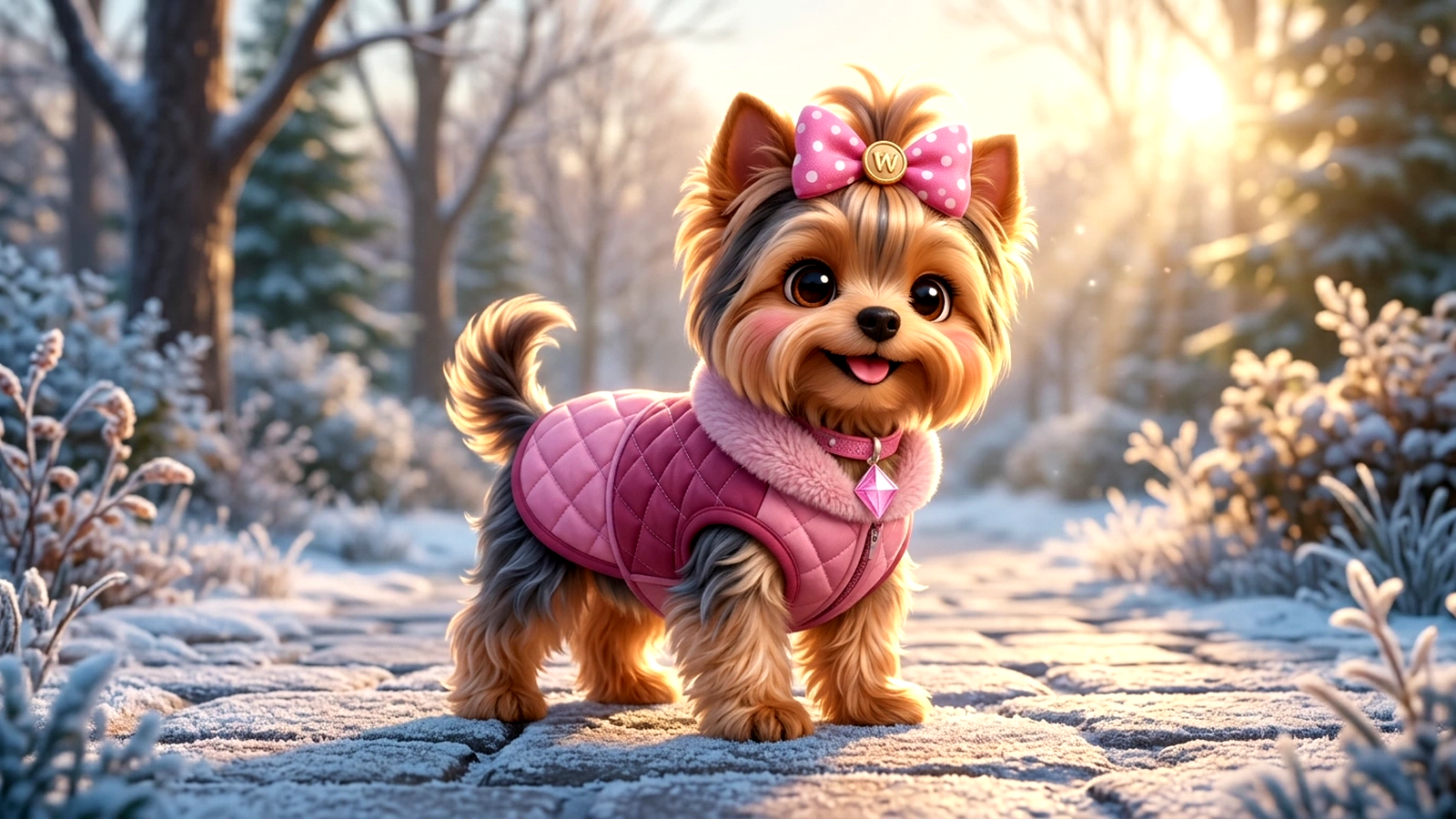
Table of Contents
Check who actually needs a coat
Not every dog needs an extra layer, even when you are reaching for a scarf. Puppies, older dogs, lean dogs, unwell dogs and small breeds with thin or single coats—such as Yorkshire Terriers—usually feel the chill sooner.
Look for a coat that covers the chest and back without pinching the shoulders, rubbing behind the elbows or interfering with going to the toilet. A waterproof outer layer helps on damp days, because wet fur cools a dog down fast. Introduce a new coat indoors with rewards before asking your dog to march outside in it.
Take the coat off once you are back in a heated home so your dog does not overheat. The Dogs Trust cold-weather advice covers choosing sensible winter gear and watching how individual dogs cope.
Adjust the walk, not just the outfit
A crisp, bright morning might suit a lively stroll, whereas sleet or a biting wind calls for shorter outings and indoor games instead. Two brief trips in the mildest part of the day can be much kinder than one long walk at freezing dawn.
Keep moving at a comfortable pace rather than standing still to chat while your dog's paws sit on cold paving. If you are also walking in dim light, our after-dark walking guide covers visibility and route choices.
Wendi is happy to inspect the morning news on the park path, provided the briefing finishes before her toes go numb.
Protect paws from grit, ice and damp
Road salt, grit and icy puddles can irritate small pads and dry them out. After a winter walk, rinse or wipe paws, legs and tummy with lukewarm water, then dry them gently with a towel—especially between the toes.
Trim excess hair between the pads only if your dog is comfortable with handling, or leave it to a groomer so snow and grit have less to cling to. Never pull frozen clumps out of fur; melt them gently with warm water instead. Keep your dog away from unknown spills and suspected antifreeze, which is an immediate veterinary emergency. The RSPCA's winter dog guidance highlights common seasonal hazards.
Spot the signs of getting too cold
Shivering, lifting paws off the ground, slowing down, hunching or trying to turn back towards home are clear requests to cut the outing short. Do not assume trembling is always mild chill—it can also signal anxiety, pain or low blood sugar in tiny dogs. Our guide to why Yorkies shake explains when shivering warrants a vet call.
If a dog becomes sluggish, unusually stiff or pale in cold weather, warm them gradually indoors and contact your vet promptly.
Set up a warm, draught-free spot indoors
Winter care continues once the lead comes off. Place your dog's bed away from cold floors, doorways and draughts, with a soft blanket they can burrow into if they choose—and enough room to move away if they get too warm. Keep beds a safe distance from radiators, heaters and open fires.
For ideas on positioning a restful corner, see where your dog's bed should go.
A good winter routine is simple: dress for warmth rather than photographs, keep paws clean and dry, and listen when a small dog says the garden inspection is over.