
Teach Your Dog to Drop It: Make Giving Things Up Worthwhile
4 min read
Category Training & Behaviour
A dog with a stolen sock can turn an ordinary evening into a surprisingly well-organised chase event. Unfortunately, chasing often teaches the wrong lesson: keep the object and the humans become entertaining.
A useful “drop” cue starts with a much quieter idea. Giving something up should predict something worthwhile, and it should not always mean the end of play.
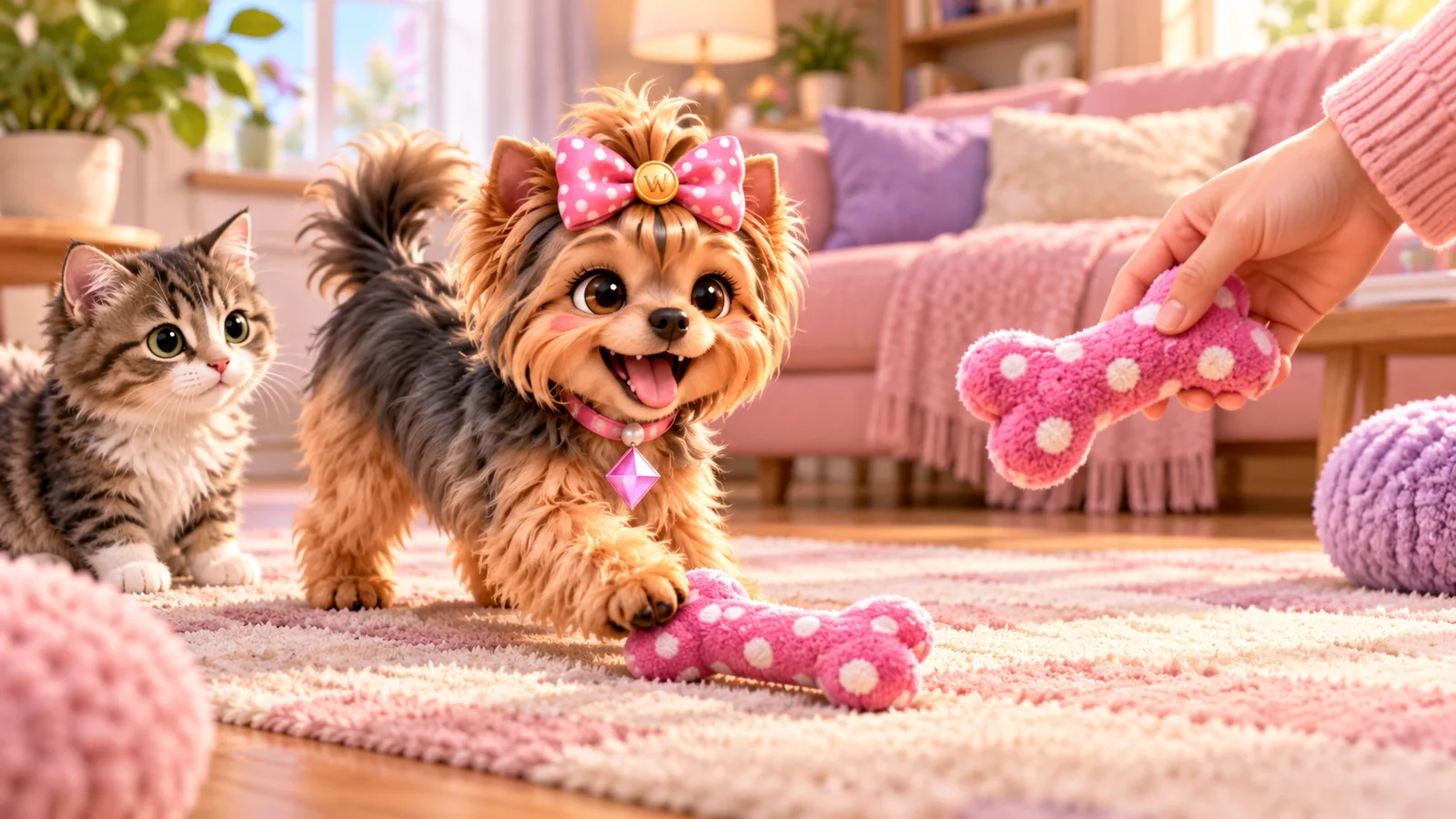
Table of Contents
Begin with something safe and unimportant
Choose a quiet room and a toy your dog enjoys but does not guard. Have a second equally appealing toy ready, or a small food reward your dog values. Work with one dog at a time, away from children.
Do not begin with a stolen item, food bowl, chew or something dangerous. If your dog freezes over objects, hovers protectively, growls or snaps, stop the exercise. Give space and ask your vet and a qualified reward-based behaviour professional for individual help. Practising confrontations is not training.
Make the exchange obvious
Offer the first toy for a little play. Then make the second toy interesting without pushing it into your dog's face. When they release the first, mark the moment with a brief “yes” and start a pleasant game with the second.
If using food, offer a small reward so the dog willingly releases the toy to eat. Initially, leave the dropped toy alone. You are establishing that your approach does not always predict immediate confiscation.
Use a few easy exchanges, then finish while the dog is still comfortable. Wendi would call this a favourable trade agreement.
Add the word when you can predict the action
Once the swap is happening readily, say “drop” just before your dog releases. Keep the word calm and consistent. Over time, try the cue before presenting the second toy or food, then reward the release.
Gradually practise with different safe toys in easy settings. Change one difficulty at a time. A dog who understands the game in the kitchen may need help understanding it in the garden.
Battersea's drop-it guide explains toy exchanges and careful cue timing.
Pick up the toy without breaking the deal
As your dog becomes comfortable, reward the release, collect the toy calmly and often give it back for another short game. Sometimes you will need to put something away; many other repetitions can show that releasing is not automatically a disappointment.
Avoid prising jaws open, grabbing collars, scolding or repeatedly testing the cue with valuable objects. If your dog moves away, make the next practice easier rather than following them around.
For another friendly way to move together, try hand-target training.
Dangerous objects need a different plan
Training is not an emergency guarantee. If your dog has a battery, medicine, sharp object or suspected poison, contact your vet immediately. Describe the item and whether anything may have been swallowed. Do not induce vomiting unless specifically instructed.
If safe, encourage the dog away with an appealing reward, then secure the area. Do not risk a bite or make the dog gulp an item by turning it into a struggle. Prevention—closed laundry baskets and inaccessible rubbish—is still valuable.
A good drop cue makes everyday life easier. It grows from many safe, successful exchanges, rather than one dramatic victory over a sock.