
Living With a Shiba Inu: Independent Charm Needs Honest Expectations
4 min read
Category Life with Pets
A Shiba Inu looks like a neat little fox designed by someone who appreciates clean lines and impeccable posture. That sharp, self-possessed expression is not an act—it is a fairly accurate preview of the personality inside.
Shibas can be loyal, clean, quietly funny companions, yet they rarely behave like eager-to-please lapdogs. Knowing what independence looks like on a wet Tuesday makes living with one far happier for everyone.
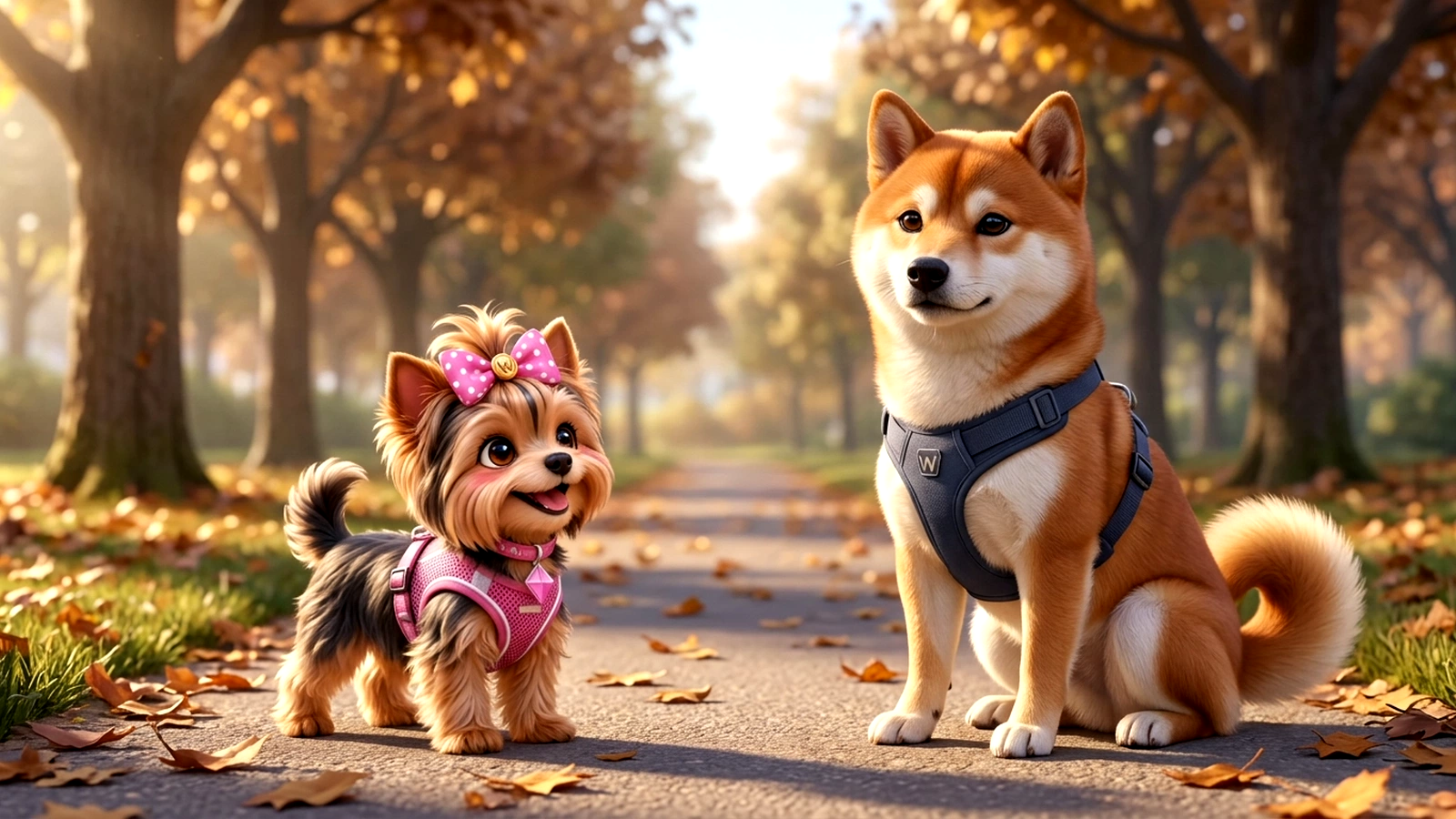
Table of Contents
Respect an independent streak
Many Shibas bond deeply with their own household while remaining polite, selective or downright aloof with strangers and unfamiliar dogs. Affection often arrives on their terms: sitting beside you on the sofa rather than climbing into every visitor's lap.
Do not force greetings or assume a quiet dog enjoys being patted on the head by passers-by. Learning to read subtle discomfort early—turning the head away, stiffening or lip-licking—prevents small worries from growing. Our dog body-language guide and Dogs Trust's body-language advice explain what to watch for.
Plan for recall and prey drive
Shibas were historically bred to hunt small game in rough terrain, and many still carry a strong interest in squirrels, birds and open gates. Even a well-trained Shiba may weigh your recall cue carefully against a rustling hedge.
Keep gardens securely fenced, use a reliable harness and lead near roads, and practise recall safely with a long line rather than gambling on off-lead obedience. Our long-line recall guide explains how to build real-world habits without risking a chase.
Wendi is impressed by a dog who checks the contract before signing, though she still prefers negotiating for snacks in person.
Keep training fair, short and worthwhile
Harsh corrections rarely work well with sensitive, independent breeds and often damage trust quickly. Reward-based training with genuinely appealing food, clear cues and short sessions tends to earn far better cooperation.
Start everyday handling early and gently—touching paws, checking ears, putting on a harness and visiting the vet—because a Shiba who feels cornered can be famously vocal about their objections.
Prepare for seasonal coat blows
Shibas are generally fastidious and have little doggy odour, which lulls new owners into thinking grooming is minimal. Then spring and autumn arrive, and the thick double coat sheds in impressive clouds.
Regular brushing with suitable tools keeps loose undercoat manageable and reduces knots without irritating the skin. Avoid shaving a double coat unless a vet advises it for medical reasons. Blue Cross's grooming advice outlines building calm, routine coat care.
Match the breed to real daily life
Before committing to any breed, look honestly at exercise time, household noise, children, other pets and your appetite for ongoing training. PDSA's guide to choosing a pet helps weigh lifestyle fit beyond appearance.
If you admire a clean, clever dog with strong opinions and quiet loyalty, a Shiba Inu can be a wonderful companion—provided you love them for who they are, rather than hoping they will turn into a Golden Retriever.