
The Official Ranking of Dog Breeds (Yorkie Is Number One, Obviously)
11 min read
Category Life with Pets
Every serious ranking of dog breeds pretends to be neutral. This one does not. The judge is four pounds, owns a pink bow, and has already decided the winner. The other breeds are here so the podium does not look empty.
The categories were portability, volume of opinion, coat maintenance as a personality, and whether the dog can supervise a household from a lap. Science was consulted and then ignored.
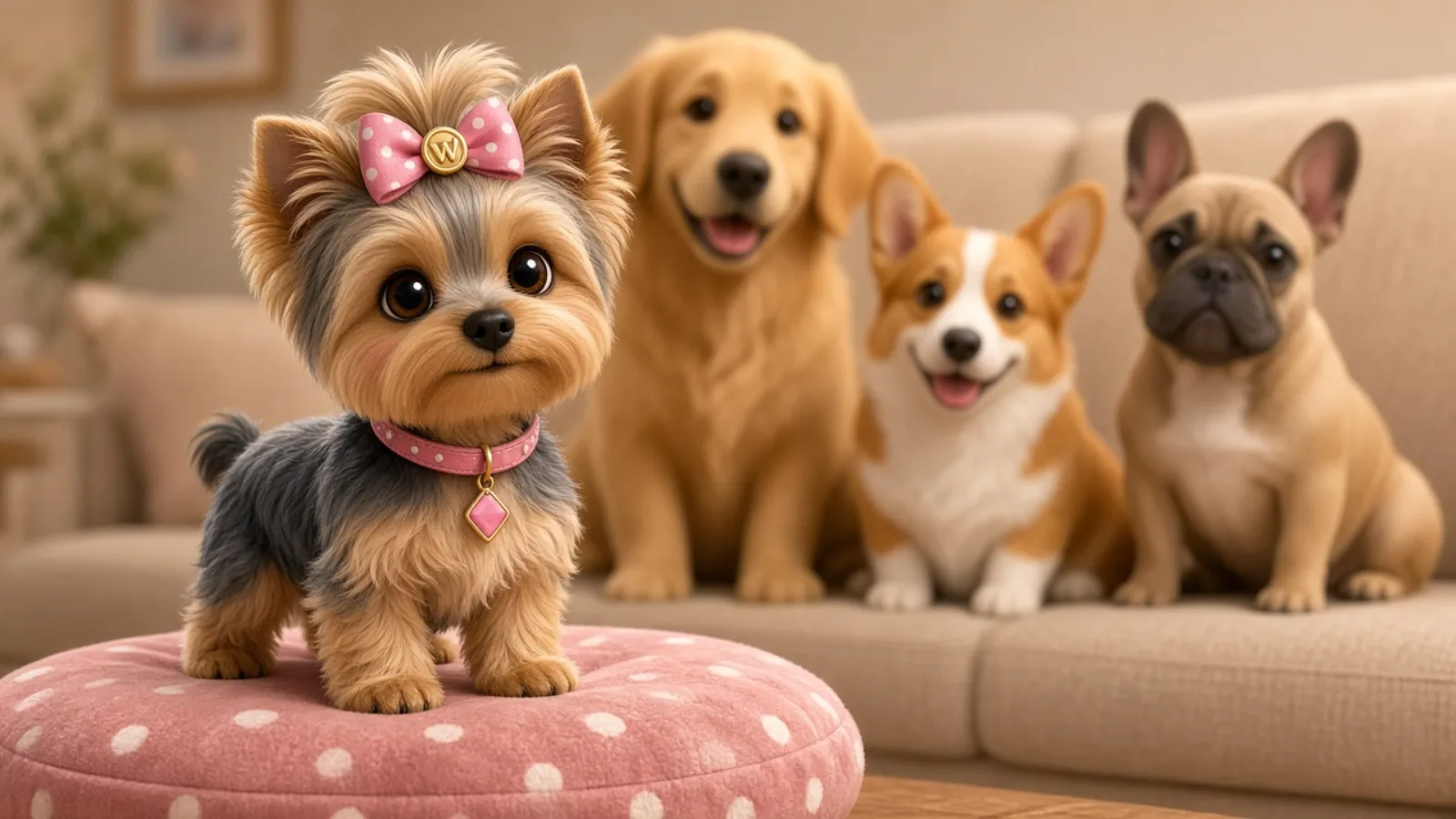
Table of Contents
How the Judging Worked
Each breed was scored out of ten on five things that matter in a real home:
- Can they fit in a tote bag without filing a complaint? (They may still file one.)
- Do they have a point of view, and will they share it?
- What does a normal week of care actually look like?
- Will they forgive you, or will they remember?
- Could a person who has never owned this breed cope with the unadvertised parts?
The scores below are jokes. The care notes are not. A high place is not a recommendation, and a low place is not an insult. The right dog is the one whose exercise, grooming, health, and alone-time needs match the people in the house.
1. Yorkshire Terrier
Perfect score. The other judges abstained, which is to say they were not invited.
A Yorkie is a terrier who declined to be a lapdog and then sat in the lap anyway, purely as a management decision. She is small enough for a flat and confident enough to announce visitors, squirrels, and the concept of visitors. The coat grows like hair rather than blowing out in seasonal clumps, which is lovely until you meet the brush.
What the ranking will not pretend: they bark, they hate being left, house training takes longer than the internet claims, and a neck collar on a lead is a bad idea. If that still sounds like your dog, the pros and cons of having a Yorkie is the less biased sequel.
2. Cavalier King Charles Spaniel
Second place, awarded for eyes that could settle a court case. A Cavalier wants to be near you in a way that feels like a compliment and a full-time job.
They are gentler than a terrier and usually less interested in winning an argument. They are also a breed with well-known heart and neurological problems, so “easy family dog” is only true if the breeder and the vet bills were part of the plan. Soft does not mean low maintenance.
3. Pomeranian
A Pomeranian is what happens when a spitz is asked to be portable. The coat is a weather system. The dog inside it often believes she is in charge of the pavement.
They are bright, vocal, and easy to underestimate because the fluff photographs well. Daily brushing is not optional if you want a dog rather than a mat with opinions. Heat and rough handling are a poor match for a dog this small.
4. Chihuahua
A respected rival. Same talent for volume, less coat, equal confidence that the sofa is a throne and you are staff.
Chihuahuas bond hard with their person and can be wary of strangers, children, and anything that arrives too fast. They get cold. They get dropped. They are not a starter toy, which is unfortunate, because that is how they are often bought. Treat the shaking, the teeth, and the knees as medical facts, not quirks.
5. Corgi
A loaf with a government job. Corgis were built to move cattle, which explains the herding of children, the barking at delivery drivers, and the sudden need to organise a hallway.
The smile is real. So is the back. Long spines and short legs do not enjoy stairs, jumping off sofas, or extra weight. They shed like it is a seasonal sport. If you wanted a small dog and got a Corgi, you got a herding dog who happens to be low to the ground.
6. Golden Retriever
Genuinely delightful, and incapable of fitting in a handbag, which cost them several points they will never understand because they were busy forgiving the judge.
Goldens are friendly, trainable, and often described as easy. They are also large, heavy shedders, prone to joint problems and cancer, and miserable without work to do. A bored Golden invents a job. It is rarely the job you wanted. They need exercise, company, and a groomer who owns a bigger vacuum than you do.
7. Labrador Retriever
A stomach with a dog attached. Labs are sturdy, kind, and convinced that every unattended item is a suggestion.
They suit active homes and terrible snack security. Obesity is the common own-goal: they will eat past fullness and thank you for the mistake. Hips, elbows, and a real daily walk matter more than the reputation for being “good with kids.” A Lab who never learns to settle is not a calm family dog. She is a teenager with a permanent tail.
8. French Bulldog
Charming, fashionable, and breathing like the contract was negotiated against them. Frenchies are companionable, often funny, and genuinely happy on a sofa. That part of the advert is true.
The flat face is not a cosmetic detail. Heat, flights, exercise, and sometimes sleep are harder than they look in a photo. Skin folds, allergies, and whelping that often needs surgery are part of the breed as it is commonly bred now. Read what French Bulldog owners should know first before the puppy photo does the deciding.
9. Border Collie
Would reorganise your calendar, then your furniture, then you. Border Collies are among the most trainable dogs alive, which is a gift in a home that can give them a job and a problem everywhere else.
They stare. They herd. They invent sports if you do not. A flat and a full-time office are a poor offer. This is a working dog who will train you back if the day is too empty.
10. Great Dane
A horse who pays dog tax. Danes are often gentle, goofy, and surprisingly keen on being a lapdog, which is a geometric error everyone in the house will eventually accept.
They eat like a large dog, age faster than a small one, and need a home that can handle the size when the clowning stops being funny: doorways, cars, vet tables, and the fact that a lean is a shove. Short lifespan is the part the memes skip. Budget for food, bedding, and a sofa you were willing to lose.
What the Ranking Refuses to Settle
No breed is automatically good with children, easy for first-time owners, or hypoallergenic. Those are marketing words. Individual dogs vary, and puppyhood is a lottery even inside a famous breed.
If you are choosing, ignore the medal and ask four dull questions:
- How many hours will this dog be alone on a normal Tuesday?
- How much daily exercise and training will actually happen after the novelty wears off?
- What health problems is this breed known for, and what does the breeder screen for?
- Who pays for grooming, insurance, and an emergency at 11pm?
A Yorkie still wins. That was decided before question one. Everyone else can compete for a home that fits them, which is the only ranking a dog can live in.
Frequently Asked Questions
Is a Yorkshire Terrier actually the best breed?
For a person who wants a small companion, can handle grooming and barking, and will not leave her alone all day, she can be a wonderful dog. For someone who wants a hiking partner, a silent flat, or a dog who is fine from nine to five, she is a bad match. Best is a household question, not a leaderboard.
Why are popular breeds so far down?
Popularity selects for looks. Looks do not select for hips, hearts, airways, or a temperament that survives a bored afternoon. A common breed can still be a great dog. She just should not be bought because a list, or this list, said so.
Where are the mixed breeds?
Off the podium on purpose. A mixed-breed dog does not fit a tidy rank, and she is often the most sensible answer: ask a rescue what that individual dog needs, then believe them.
Disclaimer: This ranking is a joke with a straight face. Breed health notes are general, not a diagnosis. Talk to a vet or a reputable rescue before choosing a dog, and do not buy a puppy from a listing that will not discuss health screening.