Teach Your Dog a Chin Rest: A Small Skill With Room to Say No
4 min read
Category Training & Behaviour
A chin rest looks wonderfully simple: the dog places their chin on a hand or a suitable padded support. The useful part is not that you can hold the head still. It is that the dog can participate willingly and move away.
Think of it as one small foundation for cooperative care, taught well before you bring out ear drops, brushes or an appointment deadline.
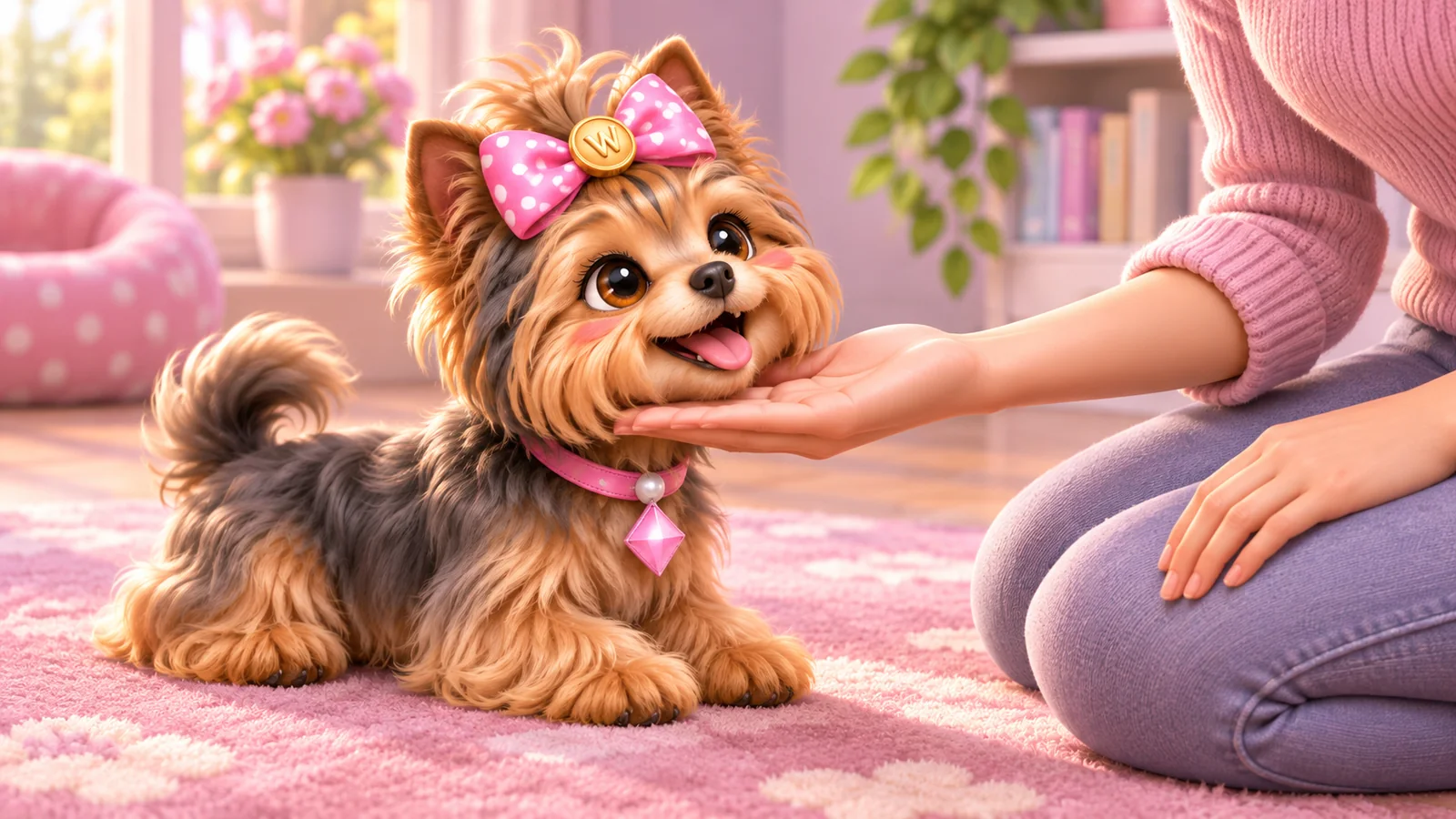
Table of Contents
Set up for a comfortable choice
Work in a quiet room on non-slip flooring. Choose a hand position the dog can reach naturally without stretching, lifting their head uncomfortably or crouching. Keep the other hand and the space around their face relaxed.
Have small suitable rewards ready, accounting for dietary needs. If your dog worries about hands near the face or has pain around the head or neck, ask your vet and a qualified reward-based trainer for individual guidance before starting.
Battersea's chin-rest introduction shows the behaviour as a way to offer choice during handling.
Reward the smallest useful movement
Present an open, still hand below the chin and wait for a voluntary investigation. Reward a gentle touch. Do not lift the hand into the jaw or close your fingers around the muzzle.
If the dog does not offer contact, make the position easier or get help shaping the movement. Avoid repeatedly pressing food against the face or chasing the chin with your palm.
For the first few repetitions, a brief touch is enough. Release and reward; there is no need to ask for a long hold.
Add a little duration, then a cue
Once the dog readily offers the rest, reward after a tiny pause. Increase duration in very small steps, mixing easy brief repetitions with slightly longer ones. Finish before the dog is tired or frustrated.
You can add a calm cue just before a predictable successful chin rest. Keep the routine consistent and let the dog lift away freely.
Wendi would like the paperwork to specify that “rest” does not mean “become a statue”.
Make lifting away meaningful
During practice, stop any planned handling when the chin lifts. Give the dog space to choose whether to return. If they repeatedly opt out, make the next session easier and consider why the movement or context is uncomfortable.
A chin remaining down is not a complete emotional assessment. Watch body tension, eyes, ears and willingness to re-engage. A dog frozen with worry is not demonstrating comfortable cooperation.
See our body-language guide for signals beyond the trained behaviour.
Add care tasks only with a sensible plan
Do not go straight from a two-second rest to nail clipping or a painful procedure. Introduce tools, sounds and very light handling separately, ideally with professional guidance, and keep each step manageable.
Necessary medical treatment sometimes cannot wait for training. Tell your veterinary team about the skill and the dog's limits; they can plan appropriate handling, pain relief or medication. Do not delay urgent care to preserve a practice routine.
The Dogs Trust handling guide supports gradual, rewarding preparation.
A good chin rest is a shared routine with an exit, not a clever way to disguise restraint.