
A Safe Window Perch for Your Cat: A Good View Needs a Good Exit
4 min read
Category Life with Pets
Tags cats home enrichment
A window can be a very good cat television. The programming includes birds, leaves, deliveries and occasionally an unreasonable neighbouring cat.
The viewing platform needs more thought than a cushion on a sill. A useful perch offers comfortable support, safe access and the option to switch the programme off by leaving.
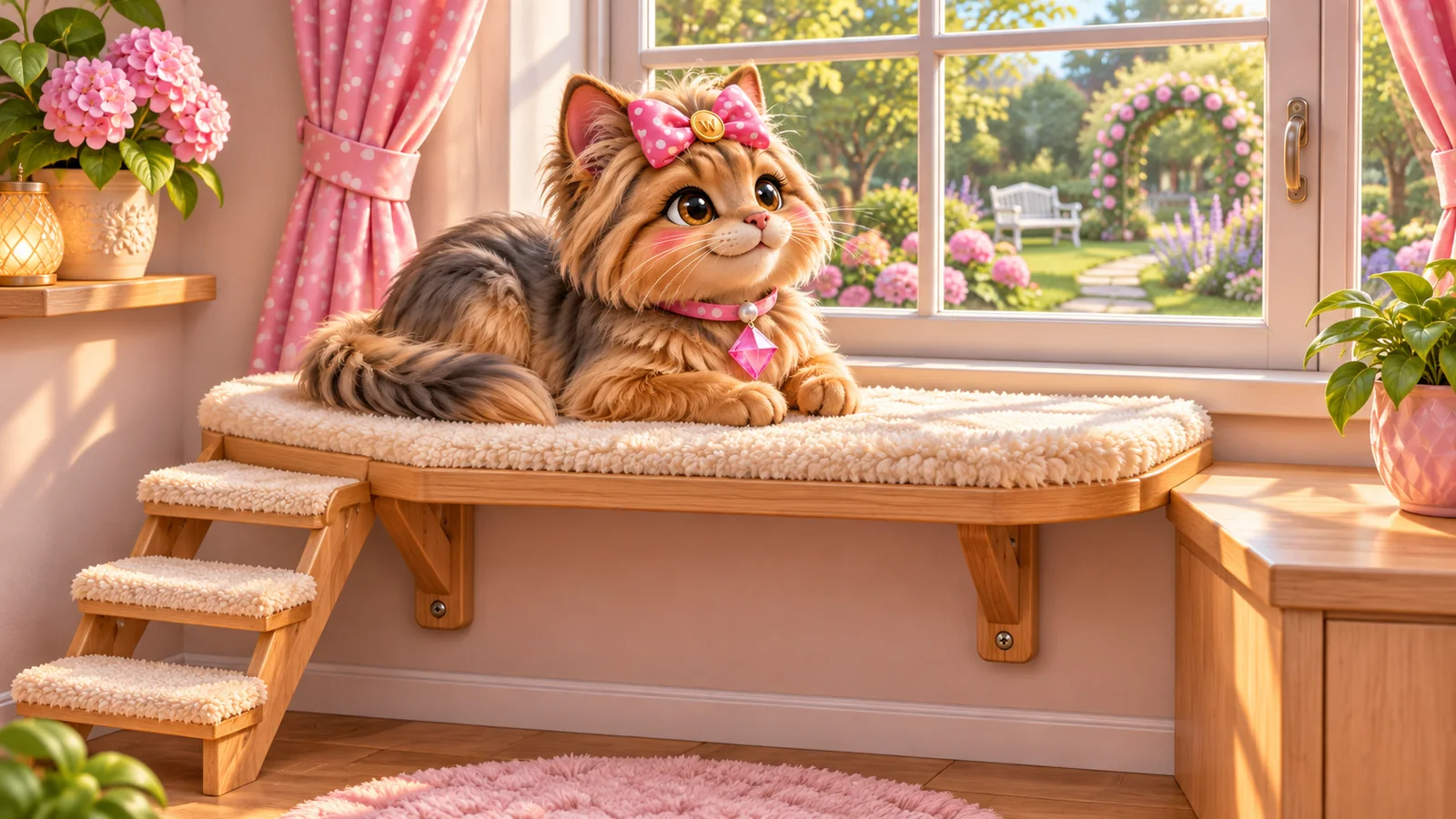
Table of Contents
Start with the window itself
Keep the window securely closed unless there is a properly fitted protection system suitable for cats. Do not assume a narrow opening, insect screen or partially tilted window is safe.
Cats can fall or become trapped, and a favourite sunny spot does not make them immune to accidents. The Blue Cross warning about window falls includes risks for both young and older cats.
Check handles and household habits. Everyone who opens the window should understand the safety arrangement. If you cannot secure it reliably, choose a different viewing spot.
Make the platform stable under real use
Use a wide, strong support that will not tip, shift or detach when the cat turns or pushes off. Follow fixing and weight guidance and inspect attachments regularly.
A perch should suit the cat's actual body and preferred resting position. Keep the surface secure underfoot, avoid a precarious stack of furniture and remove breakables below.
If the design depends on suction or adjustable fittings, regular checks still matter. Do not treat a successful first afternoon as proof it can never fail.
Plan the climb and the way down
Offer safe intermediate access if appropriate, especially for an older cat or one with reduced mobility. Steps should be stable and broad, and the route should not end in a jump onto a slippery floor.
Ask your vet about mobility changes rather than merely rearranging furniture. A cat who hesitates, pulls up with the front legs or stops visiting a favourite height may be uncomfortable.
Keep blinds and curtain cords inaccessible. Remove plants or decorations that are toxic, chewable or easy to knock down. Indoor-cat safety guidance from MSD Animal Health covers common household hazards.
Watch whether the view is actually enjoyable
A relaxed cat may rest, look away and leave easily. Repeated tense staring, tail lashing, vocalising or reacting to another cat outside can mean the window is creating stress.
Offer a quieter alternative and consider blocking part of the view if a recurring visitor is upsetting the cat. You do not have to preserve the view at the expense of comfort.
Wendi would happily report every delivery. The cat is allowed to choose a less demanding media subscription.
Keep the exit available
Do not place a dog bed directly across the route or allow another cat to control the only access. In multi-cat homes, separate resting choices help reduce competition; see our resource-layout guide.
Check temperature too. Direct sun can make the area hot, while cold glass and draughts may be uncomfortable. Provide other resting places and fresh water elsewhere.
The best perch is one the cat can reach safely, use comfortably and leave freely. The garden drama is optional.